
Compliance Checklist for Child-Resistant Packaging Paper Tubes
- Compliance Checklist for Child-Resistant Packaging Paper Tubes
- Introduction: Why compliance matters for a packaging paper tube
- Product snapshot: Custom recyclable cardboard childproof paper tube
- 1. Know the applicable regulations and standards for child-resistant packaging paper tube
- 2. Design considerations specific to a child-resistant packaging paper tube
- 3. Materials, recyclability and sustainability for a packaging paper tube
- 4. Testing protocols: child panel and adult usability testing for paper tube boxes
- 5. Labelling and consumer information for child-resistant packaging paper tubes
- 6. Quality control and production controls for child resistant paper tube boxes
- 7. Documentation and traceability for regulatory audits
- 8. Risk assessment and mitigation tailored to a packaging paper tube
- 9. Practical checklist: step-by-step for approving a child-resistant paper tube
- 10. Comparison table: child resistance vs recyclability considerations for packaging paper tube options
- 11. Brand advantages — why choose Best Pack’s Custom Recyclable Cardboard Childproof Child Resistant Packaging Child Proof Round Paper Tube Box with Lock Button
- 12. Post-market surveillance and continuous compliance
- Frequently Asked Questions (FAQ)
- Q: Does a paper tube format meet child-resistance regulations?
- Q: Will adding a plastic lock make the tube non-recyclable?
- Q: How often do I need to retest packaging for compliance?
- Q: What documentation should I expect from the supplier?
- Contact us / View product
- References and authoritative sources
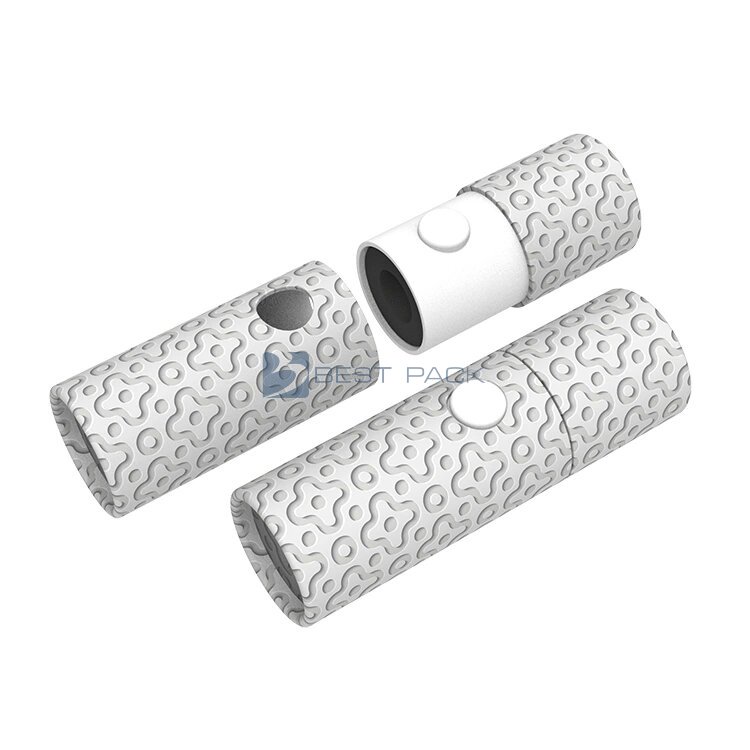
Compliance Checklist for Child-Resistant Packaging Paper Tubes
Introduction: Why compliance matters for a packaging paper tube
Child-resistant packaging is not only a legal obligation for many categories of products — it is also a critical part of consumer safety and brand trust. For brands choosing a packaging paper tube format, compliance requires careful attention to materials, design, testing, labelling and quality control. This checklist is written for product managers, packaging engineers, regulatory teams and brand owners who plan to use a packaging paper tube or want to evaluate solutions like Best Pack’s Custom Recyclable Cardboard Childproof Child Resistant Packaging Child Proof Round Paper Tube Box with Lock Button. In addition to compliance, cost-saving strategies for buying cardboard childproof paper tubes are essential for maximizing efficiency in your procurement process. These strategies will help reduce costs while still maintaining high-quality standards for your packaging needs.
Product snapshot: Custom recyclable cardboard childproof paper tube
Best Pack’s Custom Recyclable Cardboard Childproof Packaging Box offers secure, eco-friendly storage with a child-resistant lock button. Designed as a round paper tube box, it ensures safety and sustainability, ideal for protecting products while supporting green packaging solutions.
1. Know the applicable regulations and standards for child-resistant packaging paper tube
Before designing or approving a packaging paper tube, identify jurisdiction-specific legal requirements. Key regulations and standards to consider include:
- Poison Prevention Packaging Act (PPPA) and CPSC regulations in the United States — including testing and performance criteria in 16 CFR Part 1700.
- ISO 8317: reclosable child-resistant pack requirements and test methods — widely used internationally for non-pharmaceutical household products.
- European Packaging and Packaging Waste Directive and national waste laws affecting recyclability and labelling.
- Local pharmaceutical regulations if the product is a medication (pharmacopoeia or national medicine agency requirements).
Action items:
- Document which regulations apply by market (US, EU, UK, Canada, Australia, etc.).
- Map product category to regulatory requirements (e.g., controlled substances, household chemicals, medications).
2. Design considerations specific to a child-resistant packaging paper tube
Paper tubes are attractive for sustainability and shelf presence but have unique design constraints when made child resistant. Key design aspects to validate:
- Lock mechanism reliability — for example, a lock button that provides a positive child-resistant action while allowing adults to open within usability limits.
- Material strength — choose recycled cardboard grades and internal reinforcements to prevent deformation that could defeat the lock. Consider mineral or fiber-based liners if moisture or abrasion is a concern.
- Closure type — reclosable vs single-use: reclosable child-resistant closures must meet reclosability testing standards (ISO 8317) while single-use tamper-evident seals may fall under different requirements.
- Ergonomics — senior/adult usability: the design must balance child resistance with adult accessibility (consider elderly or disabled users as part of usability testing).
Action items:
- Specify mechanical requirements for the lock button and closure tolerances; include force and displacement limits for consistent performance.
- Prototype multiple tube wall thicknesses and internal support options to ensure dimensional stability.
3. Materials, recyclability and sustainability for a packaging paper tube
Regulatory compliance is increasingly tied to sustainability: recycled and recyclable materials are preferred by regulators and retailers. For a packaging paper tube, document the material chain and recyclability claims.
- Use recyclable cardboard and avoid mixed materials that hinder recycling. If a plastic insert is required for the locking mechanism, design it to be removable or use mono-material solutions where possible.
- Certifications such as FSC or recycled content claims should be supported by supplier certificates and chain-of-custody documentation.
- Label recyclability clearly on the tube to help consumers dispose correctly.
Action items:
- Obtain and store material safety and recyclability documentation from suppliers.
- Consider design-for-recycling checks during DFM (design for manufacturing) reviews.
4. Testing protocols: child panel and adult usability testing for paper tube boxes
Testing is the core of legal compliance. Child-resistant paper tube packaging must be validated by standardized tests: a child panel to demonstrate resistance and an adult (senior) panel to demonstrate usability.
What to test:
- Child panel tests per applicable standards (e.g., CPSC protocols, ISO 8317): these evaluate whether the target age group can open the package.
- Adult usability tests (senior panel) to ensure a high proportion of adults can open the package within specified time limits.
- Reclosability tests if the package is intended to be reclosed after opening.
- Environmental durability tests — temperature, humidity, drop and compression — to ensure the lock remains effective during transport and storage.
Action items:
- Engage an accredited test lab familiar with child-resistant packaging and specify the standard and pass/fail criteria in the test plan.
- Run production-line samples periodically and after design changes.
5. Labelling and consumer information for child-resistant packaging paper tubes
Clear labelling helps meet regulatory requirements and reduces user confusion. Key labelling and documentation elements:
- Precise product identity, hazard statements and handling instructions when applicable.
- Instructions for opening the child-resistant mechanism and closing it securely after use.
- Recycling information and material content disclosure (e.g., '100% recyclable cardboard — remove plastic insert before recycling').
- Compliance statements where applicable (e.g., 'Meets ISO 8317 child-resistance requirements' — only if supported by test reports).
Action items:
- Develop user-friendly opening instructions with graphics; test comprehension as part of usability testing.
- Keep test reports and certification documents available to support any compliance claims on the label.
6. Quality control and production controls for child resistant paper tube boxes
Consistency in production is essential. Implement QC controls focused on the components that affect child resistance:
- Incoming material checks — cardboard grammage, moisture content, dimensional tolerance and plastic insert tolerances.
- In-line measurement of lock button actuation force and closure engagement.
- Batch-level sample testing: physical tests and functionality verification after assembly.
- Change control process — any design, material, or tooling change must trigger re-test if it could affect child resistance.
Action items:
- Define AQLs (acceptable quality levels) and inspection plans focused on child-resistance critical-to-quality features.
- Train assembly staff to be aware of critical tolerances and the importance of consistent press-fit or adhesive application.
7. Documentation and traceability for regulatory audits
Maintain complete documentation to demonstrate compliance during audits or inquiries. Essential records include:
- Design files and specification sheets for the packaging paper tube and locking mechanism.
- Supplier certificates, material safety data sheets (MSDS) and chain-of-custody records.
- Test reports from accredited laboratories showing child and adult panel results and environmental durability testing.
- Quality control records, production batch IDs and change control logs.
Action items:
- Use a document management system for storing and retrieving test reports and certifications.
- Keep an audit-ready folder with key compliance documents and contact information for the test lab and material suppliers.
8. Risk assessment and mitigation tailored to a packaging paper tube
Perform a formal risk assessment that considers misuse scenarios, failure modes and mitigations specific to paper tube construction:
- Risk: lock button shearing or detaching during transport — Mitigation: validate tensile/shear strength of fastenings and add reinforcement ribs.
- Risk: cardboard swelling due to moisture reduces friction and unlocks closure — Mitigation: add moisture barriers or recommend dry storage; test humidity cycles.
- Risk: mixed-material recycling confusion reduces circularity — Mitigation: design for disassembly and clear recycling instructions.
Action items:
- Include failure modes related to the packaging in the product’s overall hazard analysis and create corrective action plans.
- Run periodic field sampling (post-market surveillance) to detect issues that emerge during real-world use.
9. Practical checklist: step-by-step for approving a child-resistant paper tube
Use the following checklist as a practical workflow before full production launch:
- Document applicable regulations and standards per market.
- Create design specs for the packaging paper tube and locking mechanism.
- Source materials and obtain supplier certifications (FSC, recycled content, MSDS).
- Produce prototypes and perform internal function and durability tests.
- Submit prototypes to an accredited lab for child and adult panel testing (and reclosability if applicable).
- Review test reports and modify design if failures are detected.
- Create labelling and instructions informed by usability test results.
- Establish QC checks and AQLs for production.
- Maintain traceability and document storage for audits.
- Plan post-market surveillance and customer feedback loops.
10. Comparison table: child resistance vs recyclability considerations for packaging paper tube options
| Feature | Mono-material recyclable tube (cardboard only) | Tube with plastic lock insert | Composite or coated tube |
|---|---|---|---|
| Child-resistance potential | Moderate — may need mechanical innovations (tabs, interlocks) | High — robust plastic locks can be very effective | Variable — coatings can alter closure function |
| Recyclability | High — easy to recycle in paper stream | Lower — plastic insert can complicate recycling unless removable | Low — mixed materials often unrecyclable in standard streams |
| Durability | Good for dry goods; weaker if wet | Improved durability and moisture resistance | Often best durability but reduces sustainability |
| Cost | Generally lower | Higher due to parts and assembly | Higher — coatings and laminates add cost |
11. Brand advantages — why choose Best Pack’s Custom Recyclable Cardboard Childproof Child Resistant Packaging Child Proof Round Paper Tube Box with Lock Button
When selecting a packaging paper tube supplier, look for partners who combine compliance expertise, sustainable materials and practical production capabilities. Best Pack’s product offers several advantages relevant to the compliance checklist:
- Child-resistant lock button designed specifically for a round paper tube format to meet child panel resistance while maintaining adult usability.
- Recyclable cardboard construction that supports sustainability goals and reduces end-of-life complexity for consumers.
- Customizable printing and labelling to support clear usage instructions and compliance statements.
- Quality control processes and batch traceability tailored for child-resistant packaging production.
Action items for brand teams:
- Request sample test reports and production QC plans from Best Pack before approval.
- Run co-ordinated usability testing with your product and the packaging to ensure the combined product-packaging system meets both functional and regulatory requirements.
12. Post-market surveillance and continuous compliance
Compliance is not a one-time activity. Establish ongoing checks that include:
- Regular batch sampling including mechanical and environmental tests.
- Customer complaint tracking related to packaging failures or confusion.
- Re-testing after any supplier, tooling or material change.
- Annual review of regulatory updates for all target markets.
Frequently Asked Questions (FAQ)
Q: Does a paper tube format meet child-resistance regulations?
A: Yes — a paper tube can meet child-resistance requirements if the closure and locking mechanism are designed and tested to the applicable standards (e.g., ISO 8317, CPSC protocols). The key is validated testing and controlled production.
Q: Will adding a plastic lock make the tube non-recyclable?
A: Not necessarily. If the plastic component is designed to be easily removed before recycling, or if mono-material strategies are used, recyclability can be preserved. Document material choices and provide clear disposal instructions on the package.
Q: How often do I need to retest packaging for compliance?
A: Retesting is required after any change that may affect child-resistance (design, materials, supplier, tooling). Additionally, periodic retesting (e.g., annually or per batch-sampling plans) is recommended as part of quality assurance and post-market surveillance.
Q: What documentation should I expect from the supplier?
A: You should obtain design specifications, material certificates (FSC, recycled content), MSDS, production QC plans, and independent laboratory test reports for child and adult panels, including test dates and lab accreditation details.
Contact us / View product
To discuss compliance for your product or request samples and test documentation for Best Pack’s Custom Recyclable Cardboard Childproof Child Resistant Packaging Child Proof Round Paper Tube Box with Lock Button, please contact our sales team or view the product.
References and authoritative sources
- U.S. Consumer Product Safety Commission — Poison Prevention Packaging Act (PPPA)
- 16 CFR Part 1700 — Regulations under the PPPA
- ISO 8317 — Child-resistant packaging (international standard)
- European Parliament — Packaging and Packaging Waste Directive (94/62/EC)
- US EPA — Sustainable Materials Management
- Forest Stewardship Council (FSC) — Material certification
What are the application scenarios of paper cigarette case?
How to Replace Plastic with Child-Proof Paper Boxes in Your Product Line

Quality Control Checklist for Custom Cigarette Box Suppliers
Top Benefits of Using Child Resistant Box Packaging for Safety and Compliance
About us
What is the box size and structure?
1. All boxes are customized and all detailed requirements can be provided by clients, we are definitely your OEM service supplier.
2. If you have no idea about the measurements and structure on your products, our professional design team can suggest and solute for you .
The process of your packaging box production?
1. Make knife mold as per box size and structure
2. order material as per mold
3. make printing on material if need to print
4. suppress and cut material
5. Makeboxes with glue edge in machine
6. Package boxes into cartons
Leading time for samples production?
Normally we need 3-7 days for samples making, 10-12 days to complete your orders,but the delivery time more depends on the order QTY.
FAQs
Do you support custom designs?
Yes, we provide custom packaging designs tailored to your brand and product needs.
How do you ensure product quality?
We maintain strict quality control at every stage, from material selection to final production, ensuring high-quality standards.
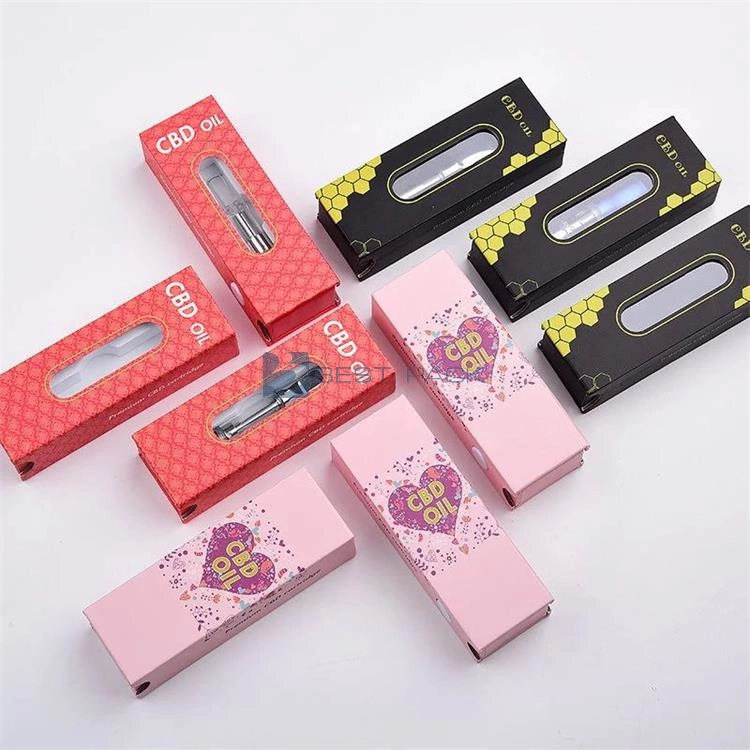
Wholesale Custom Cardboard 1g Cart Paper Boxes Child-Resistant Drawer Paper Box Pre Rolls Cone Packaging Boxes With Childproof
Custom Rigid Child Proof Cardboard Display CR Box Smoking Cigarette Box Empty Pure Paper Buckle Push Drawer Box
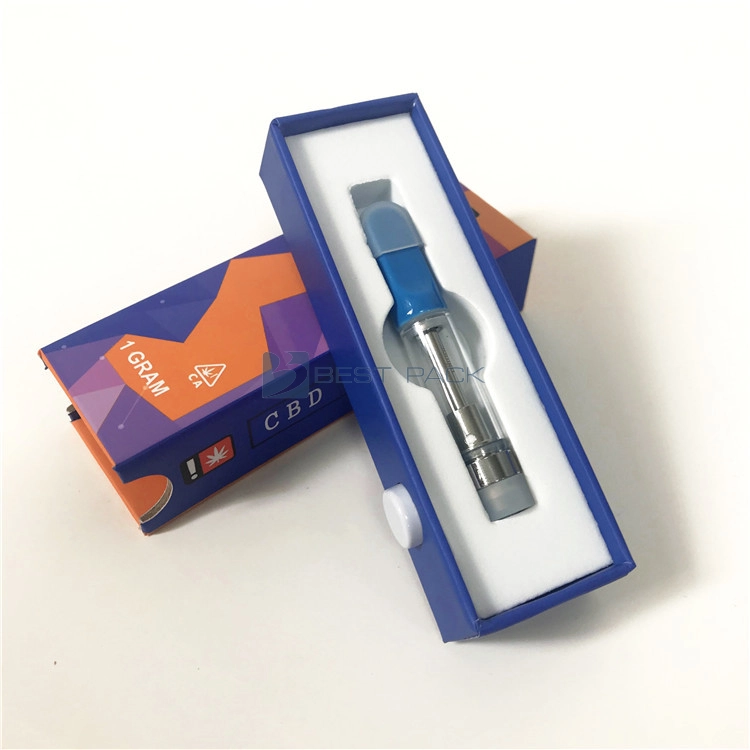
Custom Empty Cigarette Packs Boxes Smoke Cigars Box Cartridge Packaging Cigarettes Carton Tobacco Empty Cigarette Box Custom Paper Box With Childproof

Custom Logo Cigarette Packaging Cigar Box Drawer Paper Boxes Child Resistant Paper Drawer Packaging Box
Creativity Meets Precision in Packaging.

Email: Teresa@gzbestpack.com
WhatsApp: +86 132 2665 7571
Best pack
Best pack
Best pack