
Material Choices for Durable Child-Resistant Cigarette Boxes
- Why material choice matters beyond aesthetics
- Safety performance is material-dependent
- Durability affects brand trust and supply chain cost
- Regulatory and sustainability trade-offs
- Comparing common materials and constructions
- Overview of typical substrates
- Material comparison table
- Mechanism compatibility by material
- Design details: improving durability and child-resistance
- Hinge and wear considerations
- Adhesives, coatings and lamination
- Incorporating tamper evidence and multi-layer CR approaches
- Testing, validation and manufacturing best practices
- Standardized testing and documentation
- Environmental conditioning and life-cycle testing
- Production controls and QC checkpoints
- Practical material recommendations by use-case
- High-volume retail cigarettes (cost-sensitive)
- High Quality cannabis cigarette or vape-integrated boxes
- Moisture-prone distribution (humid climates)
- How I evaluate a supplier: criteria and red flags
- Key selection criteria
- Red flags to avoid
- Case study: Balancing cost and compliance
- Best Pack: practical partner for custom solutions
- FAQ — Common questions about materials and child-resistant cigarette packaging boxes
- 1. What material is best for a child resistant cigarette packaging box?
- 2. How do I verify a packaging design is child-resistant?
- 3. Can recyclable materials be used without compromising child-resistance?
- 4. How much does adding child-resistant features increase cost?
- 5. Are there legal requirements forcing child-resistant packaging for cigarettes or cannabis?
- 6. How should I specify tests to a supplier?
I draw on years of experience in child resistant packaging design to explain how material selection directly affects durability, child-safety performance and brand value for a child resistant cigarette packaging box. This article outlines regulatory context, compares substrates and mechanisms, provides test and production guidance, and shows how manufacturers can deliver compliant, long-lasting packaging solutions that meet consumer, retail and legal demands.
Why material choice matters beyond aesthetics
Safety performance is material-dependent
Material selection controls stiffness, fatigue resistance, hinge performance and the ability to integrate child-resistant (CR) mechanisms. A box that looks robust but uses a brittle inner tray or a weak adhesive can fail cycle testing or be opened by an older toddler. Standards such as ISO 8317 for reclosable child-resistant packaging and national statutes like the U.S. Poison Prevention Packaging Act (PPPA) enforced by the CPSC define performance criteria and testing protocols that require integrated design and appropriate materials.
Durability affects brand trust and supply chain cost
Durable materials reduce return rates, avoid retail rejects and protect contents over distribution cycles. In my projects, choosing the right substrate reduced damage claims by over 30% versus low-cost alternatives. Durability considerations include resistance to moisture and abrasion, print finish longevity, and mechanical integrity under repeated opening/closing.
Regulatory and sustainability trade-offs
Regulators increasingly expect both child safety and reasonable environmental stewardship. That means materials must meet CR performance without unnecessarily sacrificing recyclability or increasing contamination risk in recycling streams. I recommend including life-cycle and end-of-life considerations early in material selection discussions.
Comparing common materials and constructions
Overview of typical substrates
For cigarette and cannabis cigarette packaging, manufacturers typically choose from several classes of materials: solid bleached board (SBB), multi-ply paperboard (SBS), coated paperboard, rigidboard, plastic (HDPE/PP), tinplate and flexible laminates. Each offers a different balance of rigidity, printability, moisture resistance and cost.
Material comparison table
| Material | Durability | Child-Resistant Integration | Print/Branding | Recyclability & Notes | Typical Cost |
|---|---|---|---|---|---|
| Solid Bleached Board (SBB / folding carton) | Medium — good stiffness, sensitive to moisture | Good for integrated paper locks, inner trays, tuck-flap cams | Excellent high-quality printing | Widely recyclable (paper stream); coatings affect recyclability | Moderate |
| Coated/Clay Coated Board | Medium — improved surface protection | Good — supports precision die-cut CR features | Superior gloss/matte finishes | Recyclable; heavy coatings may complicate processing | Moderate-High |
| Rigidboard (case style) | High — superior drop/stack protection | Excellent — mechanical locks and metal components feasible | High Quality finishes, embossing possible | Often mixed materials; recycling more complex | High |
| Plastic (HDPE / PP) | High — water resistant, repeatable hinges | Excellent for snap-fit CR mechanisms and child-resistant caps | Good for color molding; labeling required for high-res graphics | Recyclable depending on resin; plastics may face environmental concerns | Variable (low-medium to high for custom tooling) |
| Tinplate / Metal | Very High — impact resistant | Good for mechanical interfaces; can be engineered for CR lids | Limited print scope; excellent durability | Highly recyclable; heavier shipping cost | High |
| Flexible laminated Pouches | Variable — dependent on laminate | More limited; often relies on zip-lock + secondary CR devices | Excellent print coverage | Harder to recycle; depends on mono-film design | Low-Moderate |
Sources: ISO 8317 testing implications and material behavior summarized from my professional experience and industry references such as the ISO 8317 standard and public guidance from the CPSC.
Mechanism compatibility by material
Matching mechanism to material is crucial. For example, a push-and-slide drawer with a cam lock performs well when the outer sleeve is sturdy (rigidboard or heavy SBS) and the inner drawer is made of a low-friction coated board or plastic. Snap-fit plastic hinges excel in HDPE cases but are impossible with basic folding cartons without added components.
Design details: improving durability and child-resistance
Hinge and wear considerations
Hinges are frequent failure points. For paperboard designs I prefer reinforced living hinges (double-layered board with scored fold) combined with an inner laminated hinge or glued cloth tape in rigid boxes. In plastic, choose resins with high fatigue resistance (e.g., HDPE for living hinges) and specify cycle-life in the tooling contract.
Adhesives, coatings and lamination
Adhesive selection affects performance especially in humid distribution environments; acrylic-based adhesives generally provide better long-term bond strength than hot-melt for laminated joints. Surface coatings (aqueous varnish, UV coating, or thin laminates) enhance abrasion resistance and help printed graphics survive retail handling. However, thick multi-layer laminates may complicate recycling—balance with brand and lifecycle goals.
Incorporating tamper evidence and multi-layer CR approaches
Best-in-class child-resistant boxes often combine two layers of protection: a mechanical CR closure plus tamper-evident seals to prevent pre-opening. Designs that require two independent manipulations (e.g., squeeze-and-slide then push-and-turn) increase child-proofing effectiveness while maintaining adult usability. The PPPA and testing protocols in ISO 8317 specify pass/fail criteria that inform how many manipulations or what force thresholds are appropriate.
Testing, validation and manufacturing best practices
Standardized testing and documentation
Follow ISO 8317 for reclosable CR packaging testing or equivalent national standards. Independent third-party testing is non-negotiable: I require manufacturers to provide test reports that include user-age cohort results, cycle tests, environmental conditioning (heat/humidity) and drop/impact testing. Reliable documentation reduces legal and commercial risk.
Environmental conditioning and life-cycle testing
Packages should be conditioned to simulate typical and extreme distribution environments. Tests I mandate include: 1) humidity cycling (e.g., 30–90% RH), 2) temperature cycling (-10°C to 50°C where relevant), 3) 500+ open/close cycles for consumer goods, and 4) 3-5 drop tests at typical retail handling heights. These tests expose hinge fatigue, adhesive failure and coating delamination early in production.
Production controls and QC checkpoints
On the factory floor, control points should include substrate moisture content checks, glue-line monitoring, die-cut alignment verification for locking features, and random CR functionality checks per production lot. Statistical process control (SPC) helps maintain tolerances on precision die-cut tabs and locking cams.
Practical material recommendations by use-case
High-volume retail cigarettes (cost-sensitive)
For high-volume cigarette SKUs where cost is a primary constraint but CR is mandated, coated paperboard with precision die-cut locking tabs provides a cost-effective solution. Include a metal staple or plastic insert for hinge reinforcement when feasible. Balance single-use recyclability by minimizing multi-material lamination.
High Quality cannabis cigarette or vape-integrated boxes
For High Quality cannabis cigarette packaging, I recommend rigidboard or hybrid rigidboard + plastic insert solutions. These support complex CR mechanisms, High Quality finishes (embossing, soft-touch lamination) and better long-term protection for delicate products like cartridges. The High Quality price supports higher tooling and material costs, and such boxes increase perceived value and repeat purchase potential.
Moisture-prone distribution (humid climates)
Use moisture-resistant substrates such as plastic trays or coated rigidboard with sealable inner blisters. Plastic housings (HDPE/PP) or aluminum/tinplate can be used when long shelf life and moisture impermeability are required. Consider mono-material choices to aid recyclability.
How I evaluate a supplier: criteria and red flags
Key selection criteria
- Third-party CR test reports (ISO 8317 or equivalent)
- Proven OEM/ODM experience with both cigarettes and cannabis packaging
- Capabilities for prototyping and small-batch validation
- Quality systems (incoming material checks, SPC, inspection protocols)
- Clear communication on lead times, tooling costs and minimums
Red flags to avoid
Beware suppliers who cannot produce independent test reports, lack traceability for substrate sources, or insist on skipping conditioning tests. Also be cautious when a supplier recommends highly complex mechanisms but lacks precision die experience—poor tolerances kill CR performance.
Case study: Balancing cost and compliance
In a recent project for a mid-sized brand I guided a pivot from a low-cost laminated folding carton to a coated SBS with an inner plastic tray and a two-step locking tuck. The change added 8% to unit cost but reduced damage claims by 32% and passed ISO-equivalent CR testing on first submission—saving the brand costs associated with rework and regulatory delays.
Best Pack: practical partner for custom solutions
Best Pack is a custom cannabis cigarette packaging company that provides one-stop services from design and printing to handicraft processing. We constantly insist on offering products of the best quality, excellent services and competitive prices to our customers. At the same time, the company persists in its team-working spirit and develops innovation continually to meet the chance and challenge brought by the Information Technology Age.
From cannabis protective packaging to cartridge box packaging, our real customer cases showcase our OEM/ODM capabilities, attention to detail, and commitment to quality. Our custom packaging not only enhances Best Pack image but also provides high-quality, tailor-made packaging solutions that elevate brand value, driving more purchasing decisions through promotions and customer feedback.
Our vision is to become the world's leading cannabis and cigarette packaging box manufacturer. Visit our website at https://www.gzbestpack.com/ or contact us at Teresa@gzbestpack.com to discuss how we can help you develop compliant, durable child resistant cigarette packaging box solutions.
Best Pack advantages and core products: Child Resistant Packaging Box, cannabis protective packaging, vape packaging, cigarette packaging box, custom vape cartridge boxes, cannabis packaging boxes, custom cannabis packaging, custom cigarette packaging. We combine technical expertise, refined production controls and experienced design teams to deliver CR packaging that meets both safety and brand objectives.
FAQ — Common questions about materials and child-resistant cigarette packaging boxes
1. What material is best for a child resistant cigarette packaging box?
There is no single best material; the right choice depends on product fragility, distribution environment, budget and recyclability goals. For many brands, coated or solid bleached board with an inner plastic tray or reinforced hinge offers the best balance of cost, print quality and CR performance. For High Quality or high-moisture use-cases, rigidboard or plastic housings are preferable.
2. How do I verify a packaging design is child-resistant?
Commission third-party testing to a recognized standard such as ISO 8317 (or an equivalent national protocol). Test reports should include details on demographics used for testing, cycle counts, and environmental conditioning. Retain documentation and include it in compliance dossiers.
3. Can recyclable materials be used without compromising child-resistance?
Yes. Mono-material approaches (e.g., single-type paperboard or mono-polymer plastics) enable both recycling and CR integration. Avoid unnecessary multi-layer laminates or mixed-material assemblies when recyclability is a priority. Work with your converter to design CR features that function in recyclable substrates.
4. How much does adding child-resistant features increase cost?
Costs vary widely: simple paperboard locking tabs may add low single-digit percentage increases, while rigidboard boxes with metal or precision plastic inserts and tooling can increase unit costs significantly. Consider total cost of ownership—reduced returns, fewer regulatory issues and improved shelf life often offset initial tooling and material investment.
5. Are there legal requirements forcing child-resistant packaging for cigarettes or cannabis?
Requirements differ by jurisdiction. Many regions mandate child-resistant packaging for cannabis products; for pharmaceuticals and certain household substances the U.S. PPPA and CPSC enforce CR packaging. Always consult regional regulations and ensure your CR packaging meets local standards and labeling requirements. For general information, see the Poison Prevention Packaging Act and WHO guidance on poisoning prevention.
6. How should I specify tests to a supplier?
Ask for: 1) copies of third-party CR test reports, 2) defined environmental conditioning protocol (temperature/humidity ranges), 3) cycle-life target for hinges/closures (e.g., 500 cycles), 4) drop and impact test plans, and 5) quality control checkpoints and SPC data for the production run. Include acceptance criteria in your purchase order.
If you have further technical needs or want a custom prototype with verified child-resistant performance, contact Best Pack for a consultation. We provide prototyping, testing coordination, and turnkey manufacturing for Child Resistant Packaging Box projects.
Contact us: Visit https://www.gzbestpack.com/ or email Teresa@gzbestpack.com to request samples, discuss OEM/ODM options, or obtain quotations for custom child resistant cigarette packaging box solutions.
References:
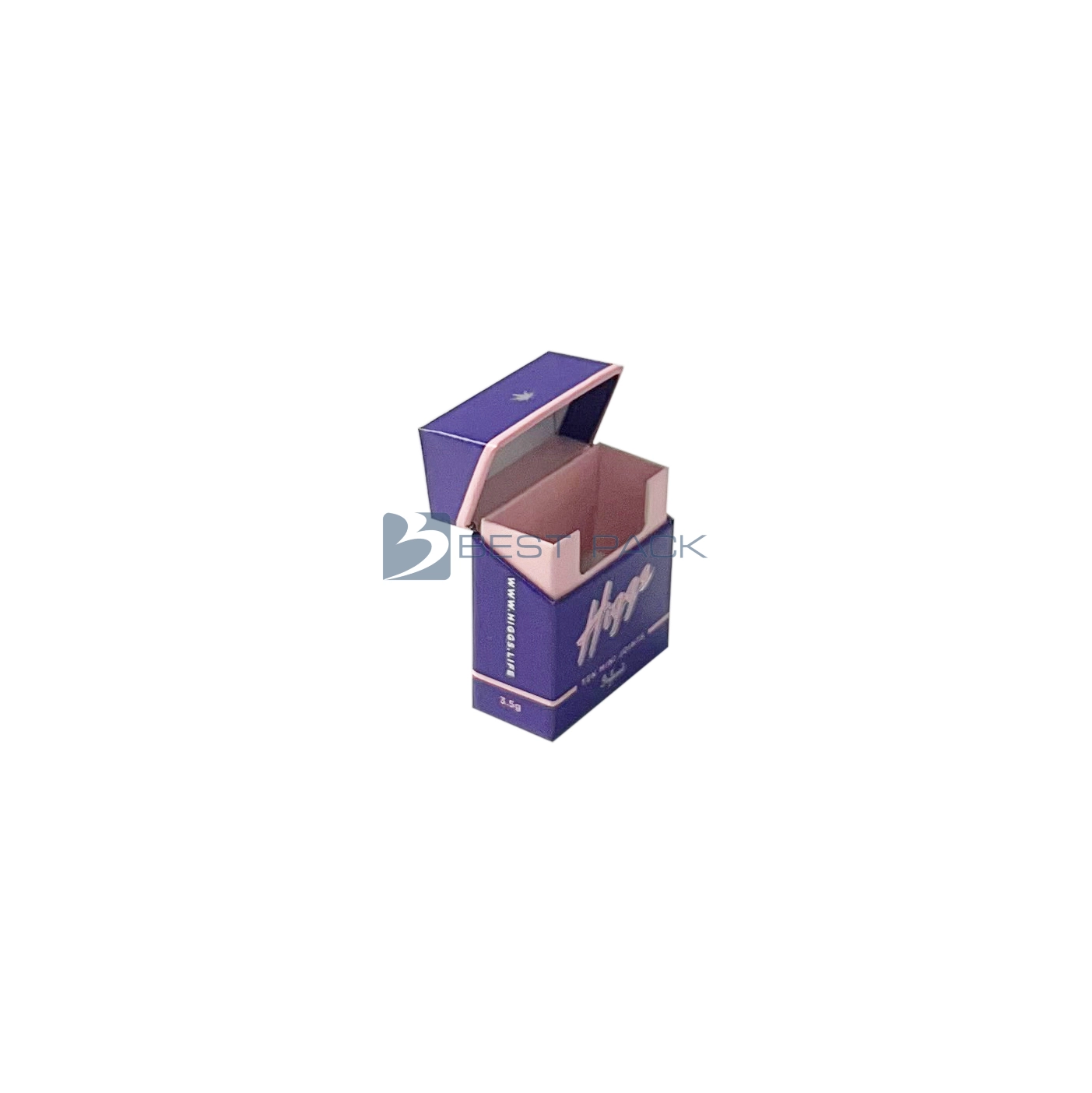
Optimizing Artwork & Printing for Cigarette Paper Box Branding
How to Choose the cannabis child resistant packaging manufacturer and supplier ?
Custom cigarette box dielines: what designers must know
How to Procure Custom Printed Paperboard Cigarette Boxes in Bulk
About us
How many kinds the printing process you have?
We can make Silk screen printing, offset printing, and also hot silver stamping
The process of your packaging box production?
1. Make knife mold as per box size and structure
2. order material as per mold
3. make printing on material if need to print
4. suppress and cut material
5. Makeboxes with glue edge in machine
6. Package boxes into cartons
When can I get the quotation?
1. The quotation will be offered within 24 hours after getting your detailed request.
2. If you get the urgent inquiry, please call us or mark it via E-mail, then we could make it into priority list.
FAQs
What services do you provide?
We offer one-stop packaging solutions, including design, printing, and handicraft processing for electronic boxes, plastic boxes, paper boxes, paper bags, and book printing.
Can you ship internationally?
Yes, we export worldwide and work with reliable logistics partners for timely delivery.
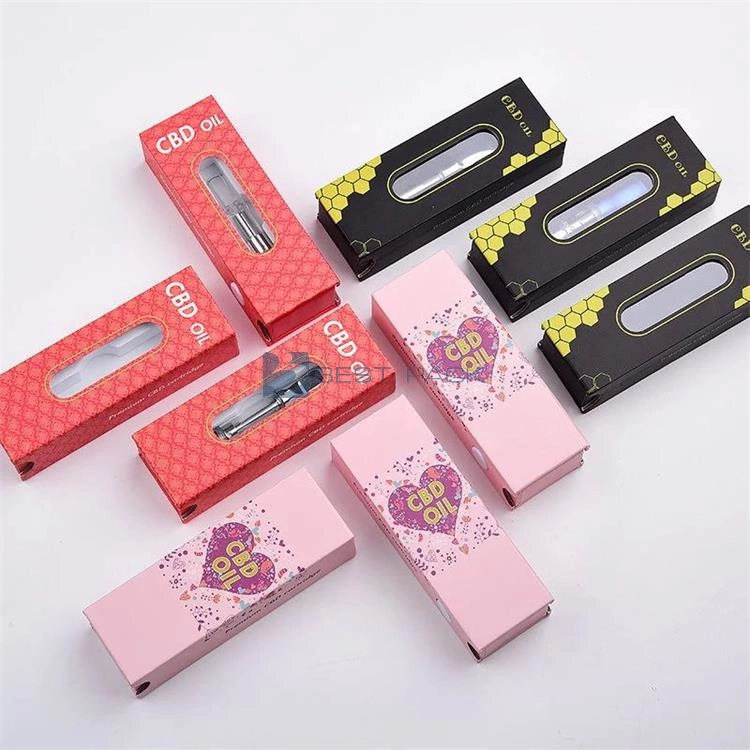
Wholesale Custom Cardboard 1g Cart Paper Boxes Child-Resistant Drawer Paper Box Pre Rolls Cone Packaging Boxes With Childproof
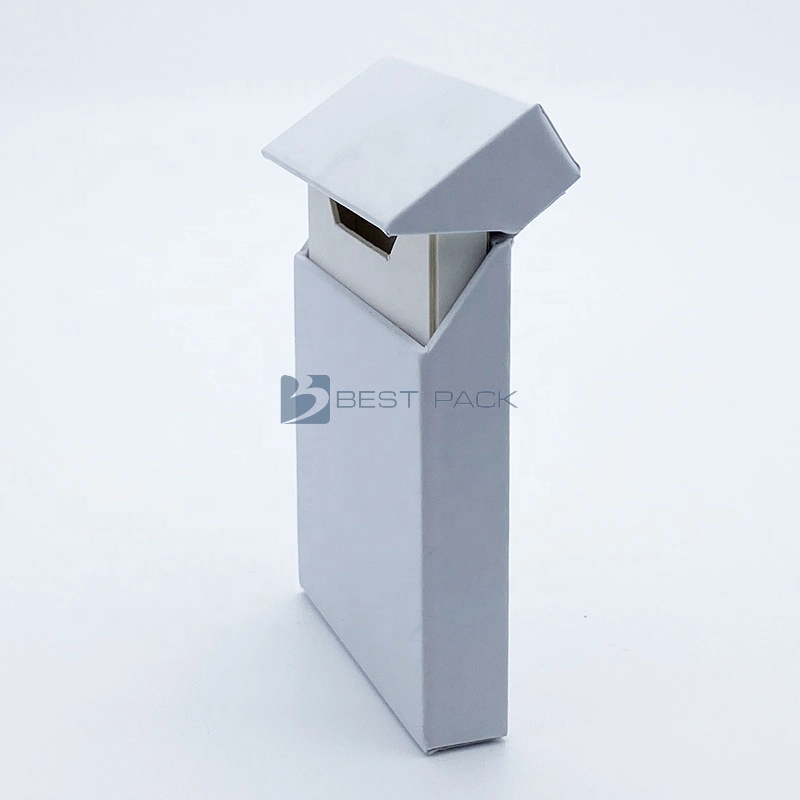
Custom Logo Child-Resistant Pre-Roll Box Packaging Biodegradable Handmade Luxury 5 Pack Embossing Childproof Pre Roll Package

Custom Vape Packaging Box with CR Telescoping Design
The CR telescoping box is a sophisticated and secure packaging solution designed specifically for vape products. Featuring a telescoping (two-piece) structure, this box offers excellent protection and an elegant presentation, enhancing both the unboxing experience and brand appeal.
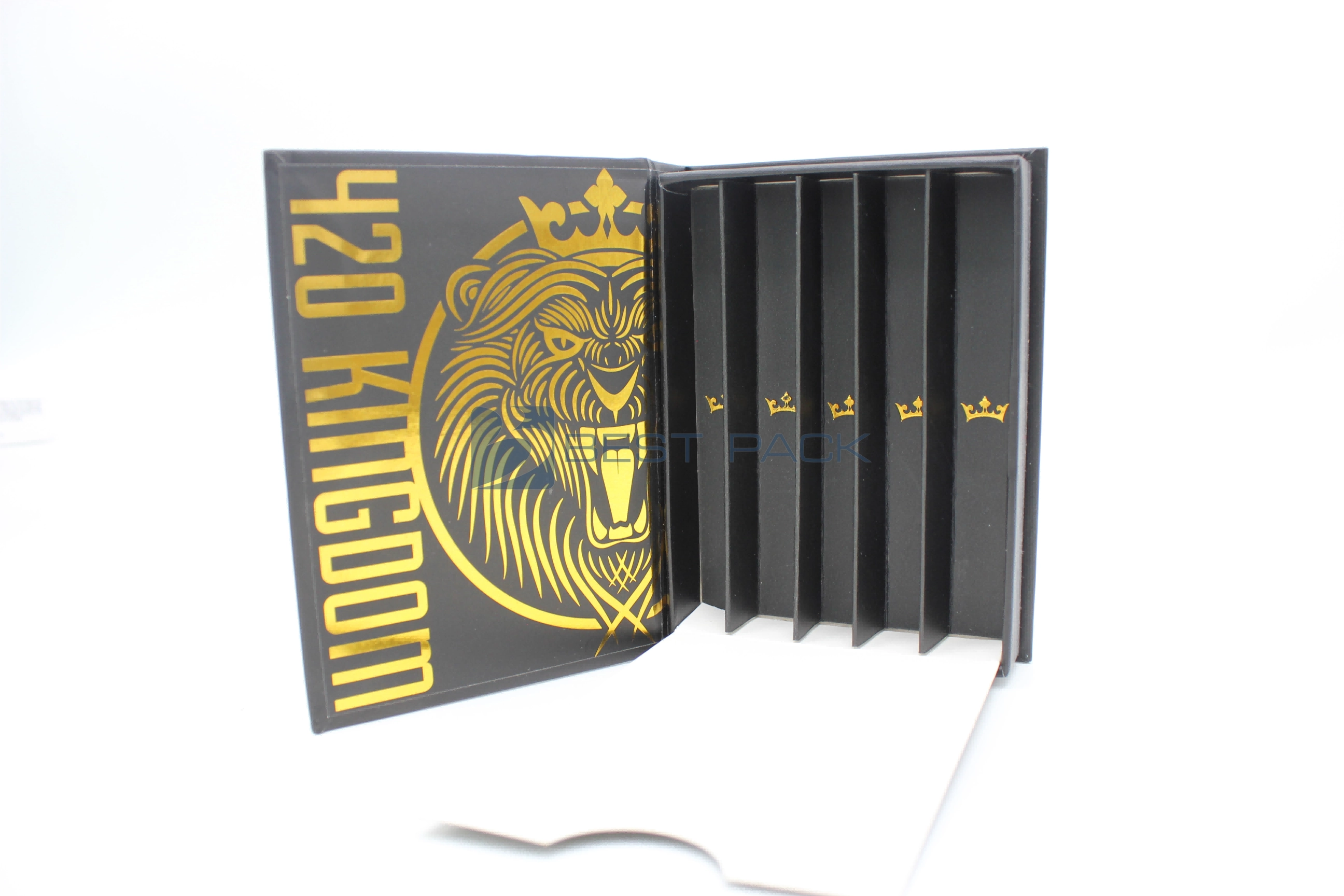
Custom Pre Cone 5 Pack Magnetic Paper Cigarettes Box Pre Roll Packaging Box
Creativity Meets Precision in Packaging.

Email: Teresa@gzbestpack.com
WhatsApp: +86 132 2665 7571
Best pack
Best pack
Best pack