
Quality Control Guide for Custom Cigarette Paper Box Production
- Essential Quality Control Principles for Custom Cigarette Box Manufacturing
- 1. Defining quality objectives and KPIs
- 2. Incoming material inspection: paperboard, inks, adhesives
- 3. Establishing a production quality plan
- Material and Structural Tests for Cigarette Paper Box Production
- 1. Paperboard and cardboard testing
- 2. Structural integrity: folding, die-cut, and clamshell performance
- 3. Environmental and durability tests
- Printing, Finishing and Cosmetic Quality Assurance
- 1. Color management and print quality control
- 2. Surface finishes: varnish, UV, lamination, embossing
- 3. Print and finishing defect classification
- Traceability, Compliance and Final Inspection Procedures
- 1. Lot control, serialization and batch records
- 2. Regulatory compliance and labeling
- 3. Final pre-shipment inspection and acceptance
- Practical Quality Control Tools and Tests (Table)
- Integrating Child-Resistant and Safety Features
- 1. Understanding child-resistant packaging principles
- 2. Balancing usability and safety
- 3. Record-keeping for safety claims
- Brand Assurance: Why Choose Best Pack for Custom Cigarette Paper Boxes
- FAQ — Quality Control for Custom Cigarette Paper Boxes
- Q1: What are the most common defects in cigarette paper box production?
- Q2: How can I ensure color consistency across multiple production runs?
- Q3: Are child-resistant cigarette paper boxes legally required?
- Q4: What documentation should I expect from a supplier regarding QC?
- Q5: How do environmental conditions affect cigarette paper box quality?
- Q6: What sample size is recommended for final inspection?
- Authoritative References
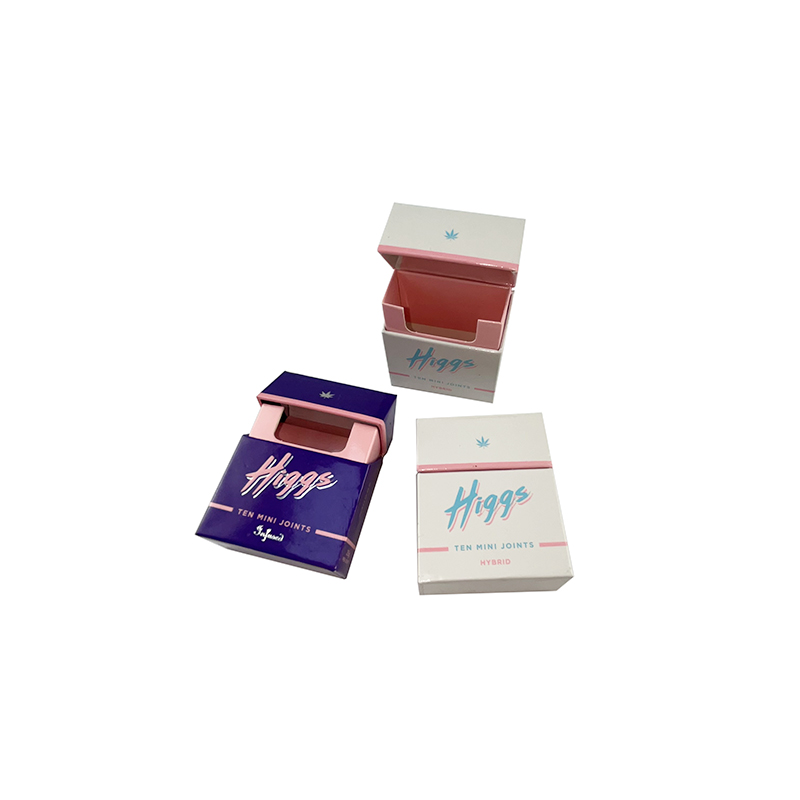
Best Pack presents Custom Printed Paperboard Cardboard Cigarette Box Packaging Cases. Our Disposable Paper Boxes offer sturdy, eco-friendly cigarette clamshell packaging, perfect for brand promotion and secure storage. Ideal for businesses seeking quality, customizable cigarette boxes. This guide explains step-by-step quality control procedures for the cigarette paper box production process — from incoming material inspection and structural testing to print verification, finishing checks, and final packing — to help manufacturers, brand owners, and purchasers achieve consistent, compliant results.
Essential Quality Control Principles for Custom Cigarette Box Manufacturing
1. Defining quality objectives and KPIs
Before production starts, set clear quality objectives: dimensional tolerances, print accuracy, structural integrity, surface finish, and environmental targets (recycled content, recyclability). Typical KPIs include defect rate per 10,000 units, first-pass yield, color Delta E tolerances, and moisture variance for paperboard. These measurable targets make QC decisions objective and repeatable.
2. Incoming material inspection: paperboard, inks, adhesives
Rigorous inspection of incoming raw materials is the foundation of consistent quality. For cigarette paper boxes, inspect paperboard grammage, burst strength, moisture content, and surface properties. Verify ink lot numbers and perform small-batch print checks. Test adhesives for tack, open time, and temperature tolerance. Use a standard incoming checklist and sample plan (e.g., ANSI/ASQ Z1.4 sampling tables) to balance cost and risk.
3. Establishing a production quality plan
Create a documented Production Quality Plan (PQP) that outlines process steps, critical control points (CCPs), inspection points, and corrective actions. Example CCPs: die-cut alignment, glue application, folding accuracy, print registration, varnish/lamination adhesion, and packaging sealing. A PQP linked to lot numbers enables traceability and continuous improvement.
Material and Structural Tests for Cigarette Paper Box Production
1. Paperboard and cardboard testing
Key tests for paperboard include grammage (g/m²), thickness (caliper), burst or Mullen strength, stiffness (Taber), and moisture content. These properties influence box rigidity, foldability, and print performance. Maintain specification sheets from suppliers and perform acceptance testing on each lot.
2. Structural integrity: folding, die-cut, and clamshell performance
Clamshell paper boxes must open and close reliably while protecting contents. Test crease strength, hinge durability (open/close cycles), and die-cut tolerances. Ensure glue lines are consistent and that clamshell closure holds under typical handling. For child-resistant variants, follow applicable standards such as child-resistant packaging testing principles.
3. Environmental and durability tests
Simulate storage and transport conditions: humidity cycling, temperature extremes, and vibration. Evaluate how moisture affects folding and print. For eco-conscious brands, test biodegradation or recyclability claims against accepted norms and document results.
Printing, Finishing and Cosmetic Quality Assurance
1. Color management and print quality control
Maintain color consistency with ICC profiles, standardized proofs, and Delta E thresholds (often Delta E < 2 for critical brand colors). Use spectrophotometers to measure spot colors and CMYK balance. Implement a press-side checklist: ink viscosity, drying time, registration, and dot gain control. For high-value brands, require press proofs or short-run pre-production samples.
2. Surface finishes: varnish, UV, lamination, embossing
Imperfect finishes reveal themselves quickly on retail shelves. Check for orange peel on varnish, delamination on laminates, and incomplete emboss/deboss impressions. Specify parameters: matte vs. gloss varnish % reflectance, lamination adhesion force, and hardness of UV coatings. A small finishing audit after each run helps catch recurring issues.
3. Print and finishing defect classification
Use a standardized defect classification table to separate critical, major, and minor defects. Examples: critical = structural failure or missing health warnings; major = significant color mismatch, registration errors; minor = small scuffs or non-visible surface blemishes. This hierarchy informs acceptance sampling and rework rules.
Traceability, Compliance and Final Inspection Procedures
1. Lot control, serialization and batch records
Assign lot numbers at material receipt and maintain batch records linking raw materials, machine settings, operator logs, QC checks, and packing lists. For fully traceable cigarette paper box production, include a manufacturing date code and internal serial if needed for recalls or warranty claims.
2. Regulatory compliance and labeling
Tobacco packaging faces regulatory requirements in many jurisdictions (health warnings, tax stamps, minimum pack sizes). Stay current with local regulations and verify label content, language, and placement during final inspection. Use authoritative sources like the WHO Framework Convention on Tobacco Control for global perspectives.
3. Final pre-shipment inspection and acceptance
Run a pre-shipment inspection (PSI) covering sample visual checks, dimensional checks, and functional testing. Typical PSI includes: random sampling (e.g., 2-5% depending on risk), checking print quality, measuring a representative set of dimensions, opening/clamshell tests, and packaging integrity. Document results and attach inspection certificates to shipment paperwork.
Practical Quality Control Tools and Tests (Table)
| Test / Check | Purpose | Typical Acceptance Criteria |
|---|---|---|
| Grammage & Caliper | Ensure rigidity and consistent folding | Within ±5% of spec |
| Spectrophotometer Color Check | Color accuracy and brand consistency | Delta E < 2 (brand-critical); < 5 general |
| Crease/Fold Strength | Durability of hinges/clamshells | No cracking after 50 open/close cycles |
| Adhesion Test (Tape/Pull) | Ensure lamination/glue bond | Peel strength > specified N/cm |
| Environmental Stress (Humidity/Temp) | Performance under storage/transport | No visible warping or color bleed |
Integrating Child-Resistant and Safety Features
1. Understanding child-resistant packaging principles
Child-resistant design often relies on mechanical complexity or special closures. While cigarette paper boxes are not always required to be child-resistant, if you choose to add such features, test according to recognized methodologies. See general principles summarized on Child-resistant packaging.
2. Balancing usability and safety
Ensure adult accessibility while limiting child access. Usability testing with older adults helps avoid making packaging too difficult for intended users. Document test protocols and pass/fail criteria in the PQP.
3. Record-keeping for safety claims
If you market a box as child-resistant or tamper-evident, keep third-party test reports and certificates in the technical file to substantiate claims during audits or regulatory review.
Brand Assurance: Why Choose Best Pack for Custom Cigarette Paper Boxes
Best Pack combines manufacturing expertise with strict quality control systems to deliver Custom Printed Paperboard Cardboard Cigarette Box Packaging Case Disposable Paper Box for Cigarette Clamshell paper box that meet both branding and functional needs. Our advantages include:
- End-to-end QC: From raw material acceptance to final inspection with documented batch records.
- Advanced print and color management systems for consistent brand colors across runs.
- Sustainable material options and documented recyclability to support eco-conscious branding.
- Flexible customization: embossing, foiling, spot UV, and specialty finishes with controlled defect thresholds.
- Responsive sampling and pre-production proofs for risk mitigation and faster time-to-market.
FAQ — Quality Control for Custom Cigarette Paper Boxes
Q1: What are the most common defects in cigarette paper box production?
A1: Common defects include color mismatch, poor registration, die-cut misalignment, weak glue joints, delamination of laminates, and creased or warped boxes due to improper moisture control.
Q2: How can I ensure color consistency across multiple production runs?
A2: Use ICC profiles, request press proofs, set Delta E targets, and keep ink formulations and substrates consistent. Maintain a color master and measure with a spectrophotometer on each run.
Q3: Are child-resistant cigarette paper boxes legally required?
A3: Requirements vary by jurisdiction. Check local tobacco packaging regulations. For general design guidance on child-resistant packaging concepts, see this overview.
Q4: What documentation should I expect from a supplier regarding QC?
A4: Expect material certificates, incoming inspection reports, production QC checklists, pre-shipment inspection results, and batch traceability records. For regulated products, request regulatory compliance documents and test reports.
Q5: How do environmental conditions affect cigarette paper box quality?
A5: High humidity can cause warping and glue failure; temperature changes may affect varnish curing and adhesive performance. Control storage and pressroom conditions and include environmental stress tests in QC.
Q6: What sample size is recommended for final inspection?
A6: Sample size depends on risk and order size. Low-risk orders may use 2-5% sampling; higher-risk or first-time runs should use higher rates. Use statistically valid sampling plans like ANSI/ASQ Z1.4 for consistency.
Strong quality systems also support efficiency goals, making reducing waste through efficient designs for clamshell paper boxes a logical next consideration.If you have more questions about our Custom Printed Paperboard Cardboard Cigarette Box Packaging Case Disposable Paper Box for Cigarette Clamshell paper box, contact our team at sales@bestpack.com or call +1-800-555-0123. To request a sample or view product specifications, email our sales team with your requirements.
Authoritative References
- Overview of Packaging concepts: https://en.wikipedia.org/wiki/Packaging
- Child-resistant packaging principles: https://en.wikipedia.org/wiki/Child-resistant_packaging
- ISO 9001 quality management principles: https://en.wikipedia.org/wiki/ISO_9001
- WHO Framework Convention on Tobacco Control: https://www.who.int/fctc/en/
For a customized QC plan or to request pre-production proofs for your cigarette paper box designs, contact Best Pack and our packaging specialists will assist with specifications, sample approvals, and a quality timeline tailored to Best Pack needs.
Sustainable Wood Alternatives for Vintage Cigar Boxes
Tips for buy child resistant paper box
Top Benefits of Using Child Resistant Box Packaging for Safety and Compliance
Vendor Selection Guide for Vintage Packaging Buyers
About us
What is the box size and structure?
1. All boxes are customized and all detailed requirements can be provided by clients, we are definitely your OEM service supplier.
2. If you have no idea about the measurements and structure on your products, our professional design team can suggest and solute for you .
How much of your samples cost ?
1. If samples are without printing, we can make free samples as per your box size or structure;
2. If samples are silk printing, normally USD 25 per color,depending on your logo colors;
3. If samples are offset printing, need USD 180 as offset printing mold cost is high.
Leading time for samples production?
Normally we need 3-7 days for samples making, 10-12 days to complete your orders,but the delivery time more depends on the order QTY.
FAQs
Do you support custom designs?
Yes, we provide custom packaging designs tailored to your brand and product needs.
What services do you provide?
We offer one-stop packaging solutions, including design, printing, and handicraft processing for electronic boxes, plastic boxes, paper boxes, paper bags, and book printing.
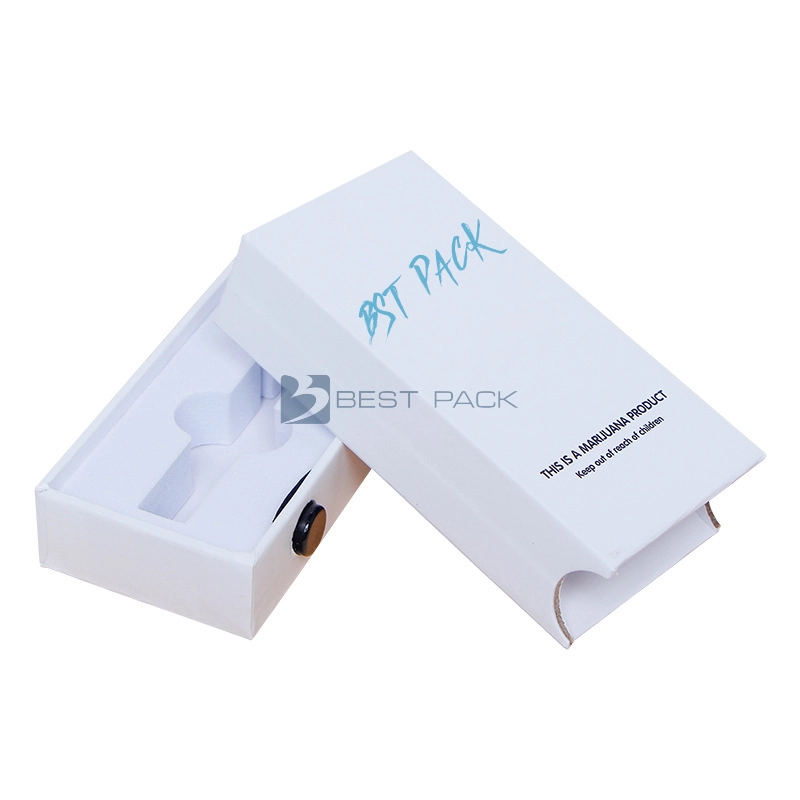
Custom Design Paperboard Child Resist Childproof Button Box Cigarette Size Drawer Craft Packing Box
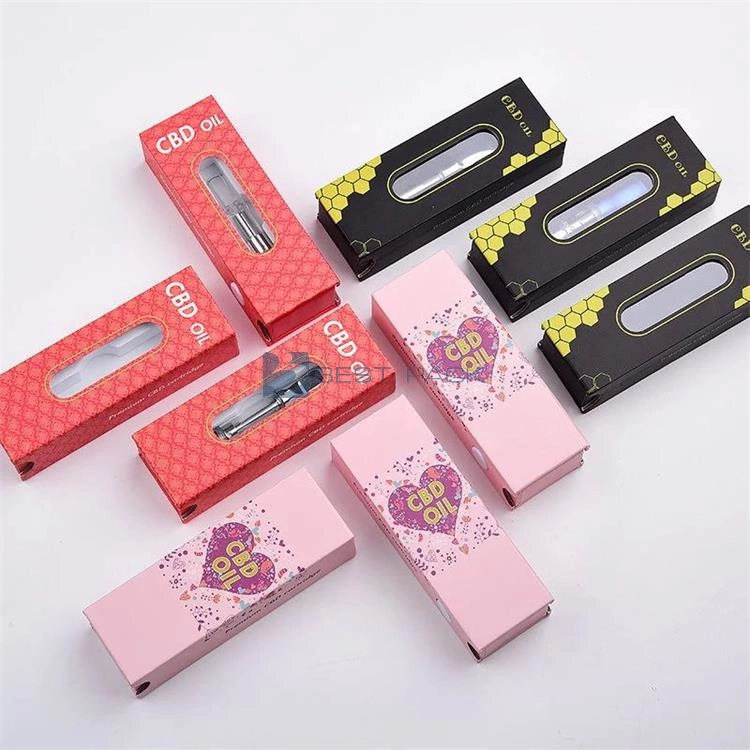
Wholesale Custom Cardboard 1g Cart Paper Boxes Child-Resistant Drawer Paper Box Pre Rolls Cone Packaging Boxes With Childproof
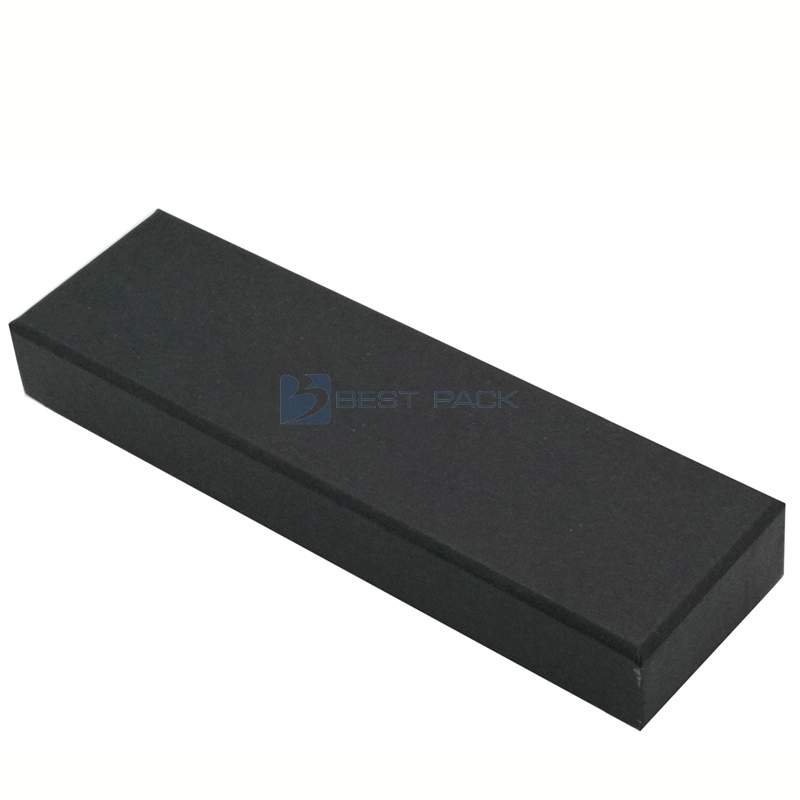
Custom Rigid Child Proof Cardboard Display CR Box Smoking Cigarette Box Empty Pure Paper Buckle Push Drawer Box
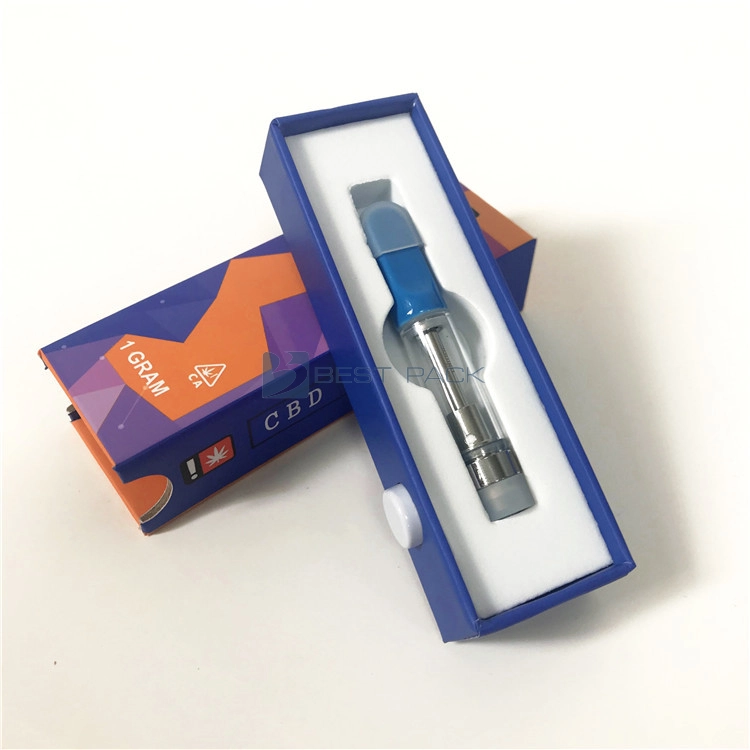
Custom Empty Cigarette Packs Boxes Smoke Cigars Box Cartridge Packaging Cigarettes Carton Tobacco Empty Cigarette Box Custom Paper Box With Childproof
Creativity Meets Precision in Packaging.

Email: Teresa@gzbestpack.com
WhatsApp: +86 132 2665 7571
Best pack
Best pack
Best pack