
Artwork and Labeling for Vintage Cigar Box Packaging
- Why vintage cigar box design still matters
- Historical appeal and brand storytelling
- Market demand and reuse culture
- Balancing authenticity with modern production
- Design anatomy: elements that define a vintage look
- Typography, layout, and visual hierarchy
- Color, texture, and patina
- Imagery, engraving, and iconography
- Production methods: how to reproduce a vintage aesthetic
- Printing processes and finishes
- Materials and structural choices
- Special treatments: embossing, lacquers, and aging techniques
- Labeling and regulatory compliance (tobacco, cannabis-adjacent products)
- Mandatory health warnings and labeling requirements
- Child-resistant and safety standards
- Traceability: batch codes, barcodes and QR integration
- Comparing design fidelity vs compliance
- Practical checklist: turning a vintage concept into production
- Pre-press and approvals
- Vendor selection and quality control
- Costing and lead times
- Integrating vintage design with modern cannabis and cigarette packaging needs
- Designing for legal cannabis-adjacent products
- Packaging that enhances brand value while reducing legal risk
- Case study: Best Pack — custom solutions for heritage look and modern function
- Practical tips and troubleshooting
- When period type is illegible at required warning sizes
- When foil or metallics mask machine-readable codes
- When adding CR features to wooden boxes
- FAQs
- 1. Can a vintage cigar box legally carry modern health warnings?
- 2. How do I make a vintage cigar box child-resistant?
- 3. Which printing process best reproduces a chromolithograph look?
- 4. Where should I put QR codes and lot numbers without spoiling the design?
- 5. How do I balance cost and authenticity?
- Contact and next steps
I write from long experience in packaging design and regulatory compliance, and I understand the unique challenge of creating vintage cigar box artwork that feels authentic while meeting modern labeling rules and production realities. In this article I walk you through historical references, design anatomy, printing techniques, material choices, and legal considerations — including child-resistant and health-warning requirements — so you can produce vintage cigar boxes that look period-correct, perform reliably, and remain compliant across markets.
Why vintage cigar box design still matters
Historical appeal and brand storytelling
The vintage cigar box is more than a container: it’s a storytelling device. Looking at early 20th-century examples, you’ll see how lithography, ornate typography, gilt foil, and illustrated vignettes were used to communicate origin, craftsmanship, and status. The Wikipedia entry on cigar boxes offers a concise history that I regularly consult when researching period design cues: https://en.wikipedia.org/wiki/Cigar_box.
Market demand and reuse culture
Collectors, boutique cigar brands, and lifestyle companies prize vintage cigar boxes for display, upcycling, and limited-edition releases. From a commercial angle, a well-crafted vintage cigar box — whether solid cedar, embossed paperboard, or tin — becomes a value-added item that boosts perceived price and brand affinity.
Balancing authenticity with modern production
Authenticity requires studying historical printing techniques (letterpress, chromolithography, hand-gilding) and recreating those cues with modern processes (offset, foil stamping, digital faux-letterpress). I’ll outline trade-offs between authenticity, cost, and scalability later on.
Design anatomy: elements that define a vintage look
Typography, layout, and visual hierarchy
Vintage cigar art uses ornate serif and script typefaces, tight typographic ornaments, and decorative rules. Key elements to consider: the brand name treatment, central vignette or crest, origin and blending statements, and the band/box locking plate area. I recommend starting with a dominant focal type for the brand, supporting smaller caps or script for origin and descriptors, and careful kerning to reproduce period feel without sacrificing legibility.
Color, texture, and patina
Period palettes favor deep oxbloods, navy, forest green, ochre, and black with gold or gilt accents. To simulate age, incorporate subtle paper texture, edge-sunning, and distressed halftones rather than heavy, artificial grunge. When designing for print, specify Pantone color matches and consider adding a varnish or aqueous coating to protect printed inks while preserving tactile depth.
Imagery, engraving, and iconography
Common visual motifs include portraits, pastoral vignettes, tobacco leaves, crests, and allegorical figures. Vector-based engravings, line hatching, and stippling reproduce the engraved look typical of chromolithographic cigar labels. When sourcing imagery, use high-resolution scans of public-domain designs or commission engraver-style illustrations to avoid copyright issues.
Production methods: how to reproduce a vintage aesthetic
Printing processes and finishes
Choose your process based on run length and desired effect:
- Letterpress: best for tactile impression and authentic depth; costlier but excellent for High Quality limited editions.
- Offset lithography: versatile for medium-to-large runs; accurate color reproduction and cost-effective.
- Digital printing with specialty inks: good for short runs and rapid prototyping; use textured varnishes to add depth.
- Foil stamping and hot foil: indispensable for gilt and metallic accents typical of vintage boxes.
Materials and structural choices
Material dramatically affects perceived authenticity:
- Cedar and hardwoods: traditional, aromatic, and High Quality; ideal for authentic cigar storage boxes.
- Rigid board with printed wrap: cost-effective and customizable for display boxes and gift packaging.
- Tin/metal: historically used for some brands; adds weight, durability, and unique finishing options.
Special treatments: embossing, lacquers, and aging techniques
Embossing and debossing create tactile hierarchy; lacquers and shellacs achieve period sheen. For deliberate patina, I recommend controlled tea-staining or light distress passes on small runs for authenticity — but avoid chemical treatments that compromise structural integrity or violate regulations for product contact.
Labeling and regulatory compliance (tobacco, cannabis-adjacent products)
Mandatory health warnings and labeling requirements
Modern packaging must satisfy jurisdiction-specific labeling laws. For tobacco products, the World Health Organization’s Framework Convention on Tobacco Control (WHO FCTC) influences many countries’ warning requirements for packaging and labeling: https://www.who.int/fctc. Where federal or national regulation applies, compliance is non-negotiable: do not allow vintage aesthetics to obscure or misrepresent required warnings.
Child-resistant and safety standards
If your product falls under regulations requiring child-resistant packaging, follow recognized standards. The U.S. Consumer Product Safety Commission and Poison Prevention Packaging Act provide the regulatory framework; a useful overview is available here: https://www.cpsc.gov/Regulations-Laws--Standards/Statutes/Poison-Prevention-Packaging-Act. For internationally recognized test methods, ISO 8317 specifies child-resistant packaging requirements for reclosable packages: https://www.iso.org/standard/60299.. If vintage-style boxes will contain products that legally require CR (child-resistant) closure — for example some cannabis products or nicotine delivery devices — you must integrate approved CR mechanisms into the interior or secondary container while preserving the exterior vintage aesthetic.
Traceability: batch codes, barcodes and QR integration
Modern consumers and regulators expect traceability. Design spaces for discreetly integrated batch codes, GS1 barcodes, or QR codes that link to product information, lab tests, and authenticity pages. Place these elements on the underside, interior lid, or a removable underband to keep the exterior period look intact while satisfying supply-chain and regulatory needs.
Comparing design fidelity vs compliance
Below I summarize trade-offs you’ll face when reconciling vintage aesthetics with labeling and safety requirements.
| Requirement | Vintage-accurate approach | Modern compliance approach |
|---|---|---|
| Health warnings | Integrated into ornate borders | High-contrast panels or removable slip to meet size/readability rules |
| Child-resistance | Not typical historically | Secondary CR liner or inner tray that hides mechanism |
| Traceability | Hand-stamped or printed codes | GS1 barcodes/QRs placed discretely or on interior |
Sources: WHO FCTC (who.int/fctc), CPSC Poison Prevention Packaging Act (cpsc.gov), ISO 8317 (iso.org).
Practical checklist: turning a vintage concept into production
Pre-press and approvals
Before tooling or plating, complete the following:
- Historical reference board with annotated type and ornamentation.
- Pantone and substrate mockups — wet proofs if possible.
- Regulatory label proof showing health warnings and CR notes in final scale.
- Production-approved dielines and mechanicals for embossing/foil areas.
Vendor selection and quality control
Choose vendors with demonstrable experience in specialty finishing (foil, emboss, letterpress). I always request samples of similar work and a pilot run. Insist on first-article inspections and C of C (certificate of conformity) for CR components when applicable.
Costing and lead times
Special finishes increase lead time and cost. Typical guidance I use with clients:
- Letterpress/embossing: add 2–4 weeks for tooling and setup.
- Foil stamping: expect extra setup costs for dies and plate creation.
- CR mechanisms: factor in engineering for insert trays and testing per ISO/CPSC standards.
Integrating vintage design with modern cannabis and cigarette packaging needs
Designing for legal cannabis-adjacent products
When packaging products in or adjacent to the cannabis category, you must account for strict child-resistant packaging rules in many jurisdictions and overlapping requirements for labeling, potency, and lab results. While there’s no single FDA standard for cannabis (federal law varies), many states mandate CR packaging and lab-result accessibility. Keep your vintage artwork on the exterior while placing required warnings, THC content, and batch/COA (certificate of analysis) references on an inner panel or a removable sleeve.
Packaging that enhances brand value while reducing legal risk
I recommend this layered approach: exterior vintage box for shelf appeal, inner CR tray for compliance, and a small, tamper-evident heat-seal or band that contains the QR code linking to lab results. This preserves the tactile and visual benefits of a vintage cigar box while meeting modern safety and traceability expectations.
Case study: Best Pack — custom solutions for heritage look and modern function
Best Pack is a custom cannabis cigarette packaging company offering one-stop services from design and printing to handicraft processing. I’ve worked alongside vendors who implement similar design-to-delivery models: they emphasize quality, responsive OEM/ODM capabilities, and end-to-end project management. As Best Pack states, they “constantly insist on offering products of the best quality, excellent services and competitive prices” and maintain a culture of teamwork and innovation. Visit their site at https://www.gzbestpack.com/ to review case studies and product examples.
Their product strengths and offerings include Child Resistant Packaging Box, cannabis protective packaging, vape packaging, cigarette packaging box, custom vape cartridge boxes, cannabis packaging boxes, custom cannabis packaging, and custom cigarette packaging. For production queries, Best Pack can be reached at Teresa@gzbestpack.com and demonstrates a clear commitment to OEM/ODM capabilities that balance creative vintage styling with regulatory compliance and manufacturing precision.
Practical tips and troubleshooting
When period type is illegible at required warning sizes
If ornate period typography conflicts with mandatory warning legibility, apply a two-tier approach: keep the brand typography intact at its primary location, and place warnings in a high-contrast band or on the inner lid with plain sans-serif type at the prescribed size. This maintains aesthetics without violating regulations.
When foil or metallics mask machine-readable codes
Metallic finishes can interfere with barcode / QR readability. Ensure barcode placement uses a matte panel or a discreet underband to preserve scan rates. Run scanning tests during the first-article inspection.
When adding CR features to wooden boxes
Integrate CR compliance via an inner tray made of rigid board or molded pulp that meets test standards, rather than altering the outer wooden box. This keeps the exterior authentic while ensuring certified child resistance.
FAQs
1. Can a vintage cigar box legally carry modern health warnings?
Yes. Vintage-style artwork is permissible, but required health warnings and labeling must be displayed per jurisdictional rules. Where size, placement, or contrast is specified, those rules override purely aesthetic choices. For global contexts, start with WHO FCTC guidance (who.int/fctc).
2. How do I make a vintage cigar box child-resistant?
Rather than modifying the outer box, I recommend an inner CR tray or a secondary sealed insert tested to ISO 8317 or local child-safety standards. This preserves the exterior historical look while meeting safety requirements. See ISO 8317 for testing protocols: iso.org.
3. Which printing process best reproduces a chromolithograph look?
Offset lithography combined with fine screening and selective use of metallic foils yields a convincing chromolithographic look at scale. For smaller, High Quality runs, letterpress with foil stamping and tactile finishes is ideal.
4. Where should I put QR codes and lot numbers without spoiling the design?
Place them on the interior lid, underside, or on a removable inner band. This keeps the exterior clean while ensuring traceability and consumer access to lab results or authenticity pages.
5. How do I balance cost and authenticity?
Use hybrid approaches: achieve the look with economical printed wraps and selective High Quality elements (foil accents, embossing) rather than full solid wood construction. Reserve letterpress/solid wood for ultra-High Quality limited editions.
Contact and next steps
If you’d like hands-on help translating a vintage cigar box concept into compliant production, I recommend contacting experienced custom-packaging partners who handle both design and regulatory integration. One such partner is Best Pack, specializing in custom cannabis and cigarette packaging boxes, child-resistant packaging, and a full suite of OEM/ODM services. They combine craftsmanship with production-scale capability and can help you test CR mechanisms, finalize printing plates, and manage quality control. Visit https://www.gzbestpack.com/ or email Teresa@gzbestpack.com to request samples, upload art files, or get a quote.
To recap, successful vintage cigar box packaging requires discipline: research historical cues, choose appropriate production methods, design label real estate for legal compliance, and coordinate with vendors experienced in specialty finishes and child-resistant systems. When done correctly, the result is a memorable, collectible package that reinforces brand narrative while respecting modern safety and labeling rules.
Top 10 cigarette boxes Manufacturers and Supplier Brands
Case Studies: Successful Cigarette Box Child-Resistant Packaging 2026
Eco-Friendly Custom Cigarette Boxes: Sustainable Packaging Solutions
Materials Comparison for Child Resistant Cigarette Packaging
About us
What is the box size and structure?
1. All boxes are customized and all detailed requirements can be provided by clients, we are definitely your OEM service supplier.
2. If you have no idea about the measurements and structure on your products, our professional design team can suggest and solute for you .
When can I get the quotation?
1. The quotation will be offered within 24 hours after getting your detailed request.
2. If you get the urgent inquiry, please call us or mark it via E-mail, then we could make it into priority list.
How many kinds the printing process you have?
We can make Silk screen printing, offset printing, and also hot silver stamping
Leading time for samples production?
Normally we need 3-7 days for samples making, 10-12 days to complete your orders,but the delivery time more depends on the order QTY.
FAQs
What types of packaging do you specialize in?
We specialize in electronic packaging, plastic boxes (PVC/PET/PP), paper boxes, paper bags, and custom book printing.
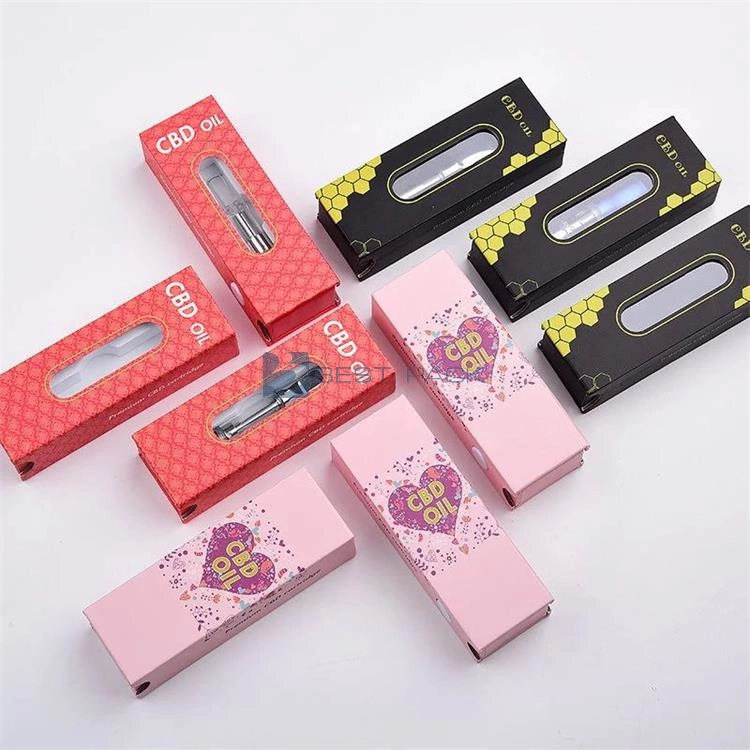
Wholesale Custom Cardboard 1g Cart Paper Boxes Child-Resistant Drawer Paper Box Pre Rolls Cone Packaging Boxes With Childproof
Custom Rigid Child Proof Cardboard Display CR Box Smoking Cigarette Box Empty Pure Paper Buckle Push Drawer Box
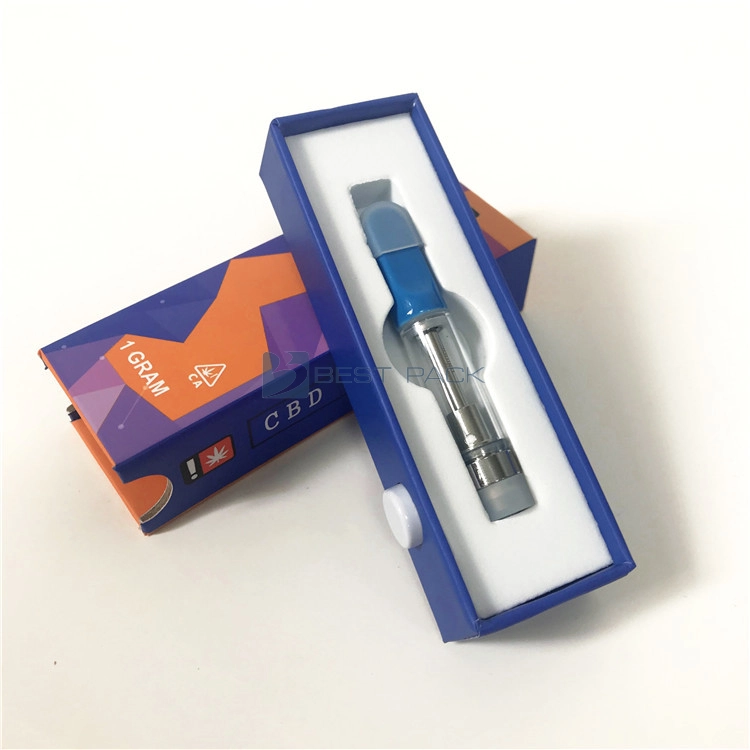
Custom Empty Cigarette Packs Boxes Smoke Cigars Box Cartridge Packaging Cigarettes Carton Tobacco Empty Cigarette Box Custom Paper Box With Childproof

Custom Logo Cigarette Packaging Cigar Box Drawer Paper Boxes Child Resistant Paper Drawer Packaging Box
Creativity Meets Precision in Packaging.

Email: Teresa@gzbestpack.com
WhatsApp: +86 132 2665 7571
Best pack
Best pack
Best pack