
Supply Chain Tips for Vintage Cigar Box Buyers
- Understanding the Market and Authenticity
- What makes a vintage cigar box valuable?
- Authentication workflows I use
- Red flags and common scams
- Sourcing, Procurement and Supplier Due Diligence
- Where to source vintage cigar boxes safely
- Contract terms and warranties I recommend
- Provenance documentation and chain-of-custody
- Shipping, Storage and Preservation
- Packaging for transit: protecting wood, label art and inlays
- Humidity, temperature and pest control
- Shipping internationally: customs, phytosanitary and import rules
- Packaging Choices, Insurance and Compliance
- Choosing protective packaging: archival vs commercial solutions
- Insurance and declared value — how I price risk
- Regulatory considerations: child-resistant packaging and related standards
- Packaging comparison: archival vs commercial vs custom protective boxes
- Restoration, Resale and Value Preservation
- Conservation vs cosmetic restoration — my decision framework
- Cleaning, adhesives and safe materials
- Marketing and listing best practices for sellers
- Why Custom Protective Packaging Matters — Brand Spotlight: Best Pack
- How tailored packaging protects vintage and collectible boxes
- About Best Pack and what they offer
- Products and strengths relevant to vintage box buyers
- Practical Checklists and Final Recommendations
- Pre-purchase checklist
- Packing checklist for sellers and shippers
- When to involve specialists
- Frequently Asked Questions (FAQ)
- 1. How can I tell if a cigar box is genuinely vintage?
- 2. Can I ship vintage wooden boxes internationally without phytosanitary issues?
- 3. Should I use archival materials when packing a vintage cigar box?
- 4. What insurance should I buy for shipping a high-value vintage box?
- 5. Can vintage cigar boxes be repurposed for selling tobacco or cannabis products?
- 6. How do I clean a dusty or dirty vintage cigar box safely?
- 7. Where can I source custom inserts or protective boxes to ship multiple vintage cigar boxes?
As a packaging and supply-chain consultant with years of experience working across antiques, collectible packaging and regulated industries, I understand the unique challenges vintage cigar box buyers face. Whether you're an online buyer, a brick-and-mortar reseller, or a museum acquisition specialist, the lifecycle of a vintage cigar box — from provenance verification and restoration to international shipping and long-term storage — depends on reliable supply-chain choices. This article gives targeted, practical tips designed for buyers who want to preserve value, verify authenticity, and minimize risk while navigating shipping, customs, conservation, and packaging decisions.
Understanding the Market and Authenticity
What makes a vintage cigar box valuable?
When I evaluate vintage cigar boxes, I look at provenance, artwork (lithography, embossing), maker marks (brands such as Cuban or American makers from the early 20th century), materials (Spanish cedar lining is common), and condition. Boxes with intact original labels, vibrant lithographic art, and documented provenance (receipts, auction records, or seller history) command High Qualitys. The collector market treats boxes as part of ephemera and packaging history — their value is driven by rarity, condition, and documented chain-of-custody.
Authentication workflows I use
My forensic checklist includes: maker’s marks and printing techniques, nail and hinge construction, wood species identification, and patina consistent with age. When possible, I verify provenance against auction catalogs and databases; for general background on cigar history and manufacturing context, Wikipedia - Cigar is a helpful reference. For items of significant value, I recommend third-party authentication or conservation assessment from a qualified conservator or appraiser.
Red flags and common scams
Common red flags include vague seller descriptions, inconsistent photos (lighting changes that obscure detail), prices that are too low for comparable items, and sellers who refuse to provide closeups of hinges, labels or inside linings. Request provenance documentation and multiple high-resolution photos before purchase; if the seller is unwilling, treat that as a significant risk factor.
Sourcing, Procurement and Supplier Due Diligence
Where to source vintage cigar boxes safely
Reliable channels include established auction houses, specialty antique dealers, reputable online marketplaces with strong buyer protection (e.g., eBay with verified sellers), estate sales, and dealers who specialize in tobacco ephemera. For large institutional purchases, I suggest requesting references, terms of sale, and proof of authenticity. I also audit sellers’ return policies and dispute resolution history.
Contract terms and warranties I recommend
Insist on clear terms: a written condition report, a return window (usually 14–30 days), and disclosure of restoration or conservation work. For high-value boxes, a conditional sale with an authentication clause — where the buyer may return if a third-party appraisal contradicts the seller’s claims — can be critical.
Provenance documentation and chain-of-custody
Document everything: invoices, shipping receipts, photographs at each transfer point, and any conservation records. Chain-of-custody records increase resale value and ease customs clearance. For context on provenance best practices in cultural property, see resources like the concept of provenance on Wikipedia and museum guidelines.
Shipping, Storage and Preservation
Packaging for transit: protecting wood, label art and inlays
Vintage wooden boxes are vulnerable to abrasion, moisture changes and insect infestation. My standard packing protocol for transit includes:
- Surface protection: acid-free tissue or glassine over lithographs and labels to prevent scuffing.
- Structural support: custom foam inserts (Ethafoam or polyethylene) cut to support corners and prevent movement.
- Humidity control: use single-use silica gel or buffered humidor packets if the item contains cedar lining or sensitive adhesives.
- Outer protection: double-boxing — a fitted inner box and a sturdy corrugated outer box with shock absorbent fill.
Humidity, temperature and pest control
Wood and paper are hygroscopic; fluctuations in relative humidity (RH) cause warping, label lift, and adhesive failure. For long-term storage I aim for a stable RH of 45% ±5% and temperature around 18–22°C (64–72°F). For an overview on humidity control and preservation, see resources about humidors and conservation principles on Wikipedia - Humidor and museum conservation guidelines.
Shipping internationally: customs, phytosanitary and import rules
Wood packaging and wooden antiques can trigger phytosanitary inspections. Many countries require ISPM 15 treatment for wood packaging, and customs can be strict about untreated wooden goods. Before shipping internationally, check the destination country's import rules for wooden antiques and be ready to provide documentation showing age (e.g., dated provenance) or treatment certificates. Official guidance on standards like ISPM 15 can be found at the Food and Agriculture Organization (FAO) pages: ISPM 15 (FAO).
Packaging Choices, Insurance and Compliance
Choosing protective packaging: archival vs commercial solutions
For collectors, archival materials (acid-free tissue, lignin-free boards) are ideal and reduce long-term degradation. For resale or transport where cost is a concern, high-quality commercial packaging with proper cushioning is acceptable, but avoid direct contact between non-archival plastics and artwork. If you need to pack multiple boxes together, separate each with a barrier to prevent abrasion and ink transfer.
Insurance and declared value — how I price risk
Insure shipments for the full sale price including shipping and handling. For high-value pieces, consider a specialized fine arts shipping insurer who covers transit, handling, and storage risks. When declaring value for customs, be accurate — under-declaring can lead to fines and voided insurance. For industry best practices on art shipment insurance, see insurers and fine-art logistics resources (e.g., major carriers’ fine art services).
Regulatory considerations: child-resistant packaging and related standards
Although vintage cigar boxes are collectibles, if you plan to repurpose or resell boxes as containers for current tobacco or cannabis products, you must comply with child-resistant packaging (CRP) regulations applicable in your market. In the United States, regulations under the Poison Prevention Packaging Act (CPSIA) and CPSC guidance describe CRP requirements: CPSC - Poison Prevention Packaging Act. International markets have their own standards; consult local regulatory bodies or a CRP specialist before using vintage boxes for product packaging.
Packaging comparison: archival vs commercial vs custom protective boxes
| Feature | Archival Materials | Commercial Protective | Custom Protective (OEM/ODM) |
|---|---|---|---|
| Cost | High | Moderate | Variable (economies at scale) |
| Longevity | Excellent | Good | Excellent (if specified) |
| Customization | Limited | Limited | High (size, cushioning, labelling) |
| Regulatory compliance | Neutral | May meet shipping standards | Can be engineered for CRP / phytosanitary needs |
Restoration, Resale and Value Preservation
Conservation vs cosmetic restoration — my decision framework
Conservation aims to stabilize and preserve original materials; restoration may alter appearance to improve aesthetics. For investment-grade or museum pieces, I prioritize conservation done by qualified conservators. For commercial resale where buyers expect an improved appearance, reversible cosmetic treatments may be acceptable, but always disclose any intervention.
Cleaning, adhesives and safe materials
Use reversible, conservation-safe methods. Avoid household solvents or aggressive cleaning that may remove lithography. Adhesives must be chosen for reversibility and compatibility with wood and paper — consult a conservator’s materials guide. If you’re uncertain, document the box thoroughly and seek professional advice.
Marketing and listing best practices for sellers
When listing a vintage cigar box for sale, include: high-resolution photos (interior and exterior), provenance documentation, condition notes (chips, insect damage, repairs), dimensions, and shipping terms. Transparency builds buyer trust and increases final sale prices. For auction-grade pieces, providing a conservator’s report or condition statement helps institutional buyers.
Why Custom Protective Packaging Matters — Brand Spotlight: Best Pack
How tailored packaging protects vintage and collectible boxes
Custom protective packaging can be designed to cradle delicate corners, separate stacked items, and integrate humidity buffering. As someone who often sources tailored solutions for clients, I’ve seen how OEM/ODM boxes designed to spec reduce transit damage and simplify customs inspections by clearly separating original items from modern packing materials.
About Best Pack and what they offer
Best Pack is a custom cannabis cigarette packaging company offering one-stop services from design and printing to handicraft processing. They prioritize product quality, responsive service and competitive pricing, and continually innovate to meet the challenges of the Information Technology Age. From cannabis protective packaging to cartridge box packaging, their real customer cases demonstrate OEM/ODM capabilities, attention to detail, and commitment to quality. Best Pack’s custom packaging enhances brand image and provides tailor-made solutions that elevate brand value and influence purchasing decisions via promotions and customer feedback. Their vision is to become the world's leading cannabis and cigarette packaging box manufacturer. You can learn more at https://www.gzbestpack.com/ or contact Teresa at Teresa@gzbestpack.com.
Products and strengths relevant to vintage box buyers
Best Pack’s product expertise includes Child Resistant Packaging Box, cannabis protective packaging, vape packaging, cigarette packaging boxes, custom vape cartridge boxes, custom cannabis packaging, and custom cigarette packaging. Their strengths are: integrated design-to-production services, experience with child-resistant and regulatory-compliant packaging, and the ability to produce custom inserts and cushioning solutions that preserve delicate artifacts during transport and storage. For buyers and sellers who need both preservation-grade solutions and compliance-ready packaging (for reuse of vintage boxes in regulated markets), such capabilities are especially valuable.
Practical Checklists and Final Recommendations
Pre-purchase checklist
Before buying a vintage cigar box, I always verify: clear photos of all sides, evidence of provenance, return policy, shipping terms, estimated duties/taxes, and whether the seller can provide treatment certificates for wood if shipping internationally. If any of these are missing, ask directly — responsible sellers expect and accommodate such questions.
Packing checklist for sellers and shippers
My packing checklist includes: wrap with acid-free tissue, foam corner supports, humidity control packets, inner box with immobilized item, double-box outer shipping, clear labelling for customs, and transit insurance. If exporting, include documentation for wood treatment or antique exemption if applicable.
When to involve specialists
Call in a conservator for high-value pieces or if you suspect pest infestation or active decay. For international legal issues (CITES material, protected species wood, or high-value cultural artifacts), consult legal counsel or customs brokers. For packaging engineering (CRP or specialized inserts), partner with OEMs like Best Pack who can design and manufacture compliant, custom solutions.
Frequently Asked Questions (FAQ)
1. How can I tell if a cigar box is genuinely vintage?
Look for maker’s marks, printing techniques (lithography vs modern digital prints), aged patina, construction methods (nail types, dovetailing), and corroborating provenance. For high-value items, seek third-party authentication.
2. Can I ship vintage wooden boxes internationally without phytosanitary issues?
Possibly, but many countries require ISPM 15 treatment for wood packaging. If the box itself is the item, customs may require proof of age or treatment. Check destination country rules and be prepared with documentation; see ISPM 15 guidance at the FAO: ISPM 15.
3. Should I use archival materials when packing a vintage cigar box?
Yes, archival materials reduce long-term degradation. Use acid-free tissue, buffered boards, and avoid direct contact with PVC plastics or non-archival adhesives when possible.
4. What insurance should I buy for shipping a high-value vintage box?
Purchase transit insurance for the full declared value from a provider that covers antiques and fine art. Standard parcel insurance may not cover specialized risks; consider a fine-art insurer or freight carrier that offers art/antique coverage.
5. Can vintage cigar boxes be repurposed for selling tobacco or cannabis products?
Repurposing may trigger regulatory requirements. In many jurisdictions, selling tobacco or cannabis in certain packaging requires child-resistant features and labeling compliance. Consult local regulations (e.g., CPSC guidance in the U.S.) before repurposing vintage boxes for regulated products: CPSC - Poison Prevention Packaging Act.
6. How do I clean a dusty or dirty vintage cigar box safely?
Start with dry, soft brushes to remove loose dirt. Avoid solvents and water unless advised by a conservator. For stubborn stains, consult a paper or wood conservator to choose reversible, conservation-safe treatments.
7. Where can I source custom inserts or protective boxes to ship multiple vintage cigar boxes?
Custom packaging manufacturers like Best Pack provide OEM/ODM services for custom inserts, cushioning and protective outer boxes tailored to fragile collectibles. Contact them via their website or email Teresa at Teresa@gzbestpack.com for quotes and design support.
Final note: vintage cigar boxes bridge history, art and packaging technology. Treat them as both artifacts and inventory: document provenance, choose materials and carriers that minimize risk, and when in doubt, consult conservators and packaging engineers. If you need custom protective solutions or help designing compliant packaging for resale or transport, reach out to Best Pack — their integrated services and experience with child-resistant and cannabis packaging make them a practical partner for collectors and sellers who demand both preservation and regulatory compliance.
Contact and product summary: Best Pack (https://www.gzbestpack.com/)
Email: Teresa@gzbestpack.com
Core advantages: end-to-end OEM/ODM packaging, custom design & printing, compliance capabilities, competitive pricing and innovation-driven team culture.
Main products relevant to collectible protection: Child Resistant Packaging Box, cannabis protective packaging, vape packaging, cigarette packaging box, custom vape cartridge boxes, custom cannabis packaging.
If you’d like help assessing a specific vintage cigar box shipment, packaging specification, or conservation question, email me and I’ll walk you through a tailored plan based on the box’s condition, destination and value.
How to create child-resistant prototypes for cigarette boxes
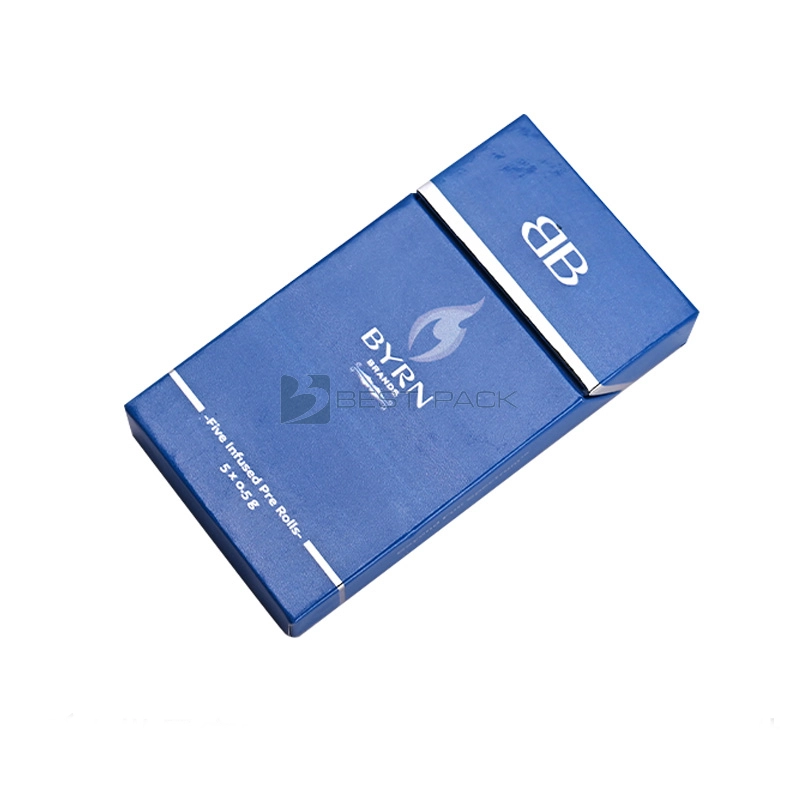
Ensuring Child-Resistant Features in Cigarette Boxes
The latest trends for cigarette pack designs

Materials and Finishes for Premium Cigar Box Packaging
About us
Are you able to do design for my products?
Yes, just send us your logo artwork in Vector file, such as AI or PDF format,and text information you want to print ,we can put it on box to make the design to let you check. Once you say ok, then we go on to make samples or production.
How much of your samples cost ?
1. If samples are without printing, we can make free samples as per your box size or structure;
2. If samples are silk printing, normally USD 25 per color,depending on your logo colors;
3. If samples are offset printing, need USD 180 as offset printing mold cost is high.
The process of your packaging box production?
1. Make knife mold as per box size and structure
2. order material as per mold
3. make printing on material if need to print
4. suppress and cut material
5. Makeboxes with glue edge in machine
6. Package boxes into cartons
FAQs
Can you ship internationally?
Yes, we export worldwide and work with reliable logistics partners for timely delivery.
How do you ensure product quality?
We maintain strict quality control at every stage, from material selection to final production, ensuring high-quality standards.
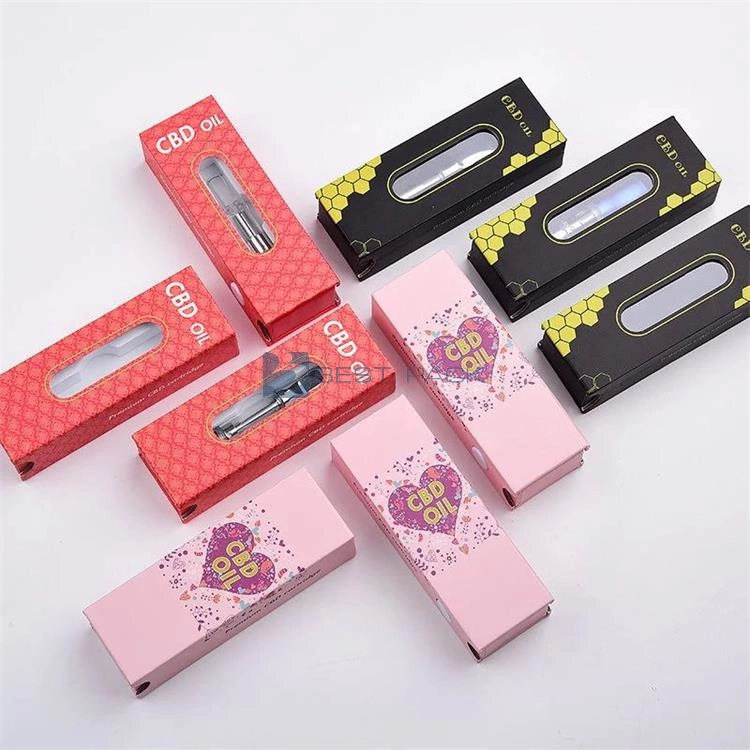
Wholesale Custom Cardboard 1g Cart Paper Boxes Child-Resistant Drawer Paper Box Pre Rolls Cone Packaging Boxes With Childproof
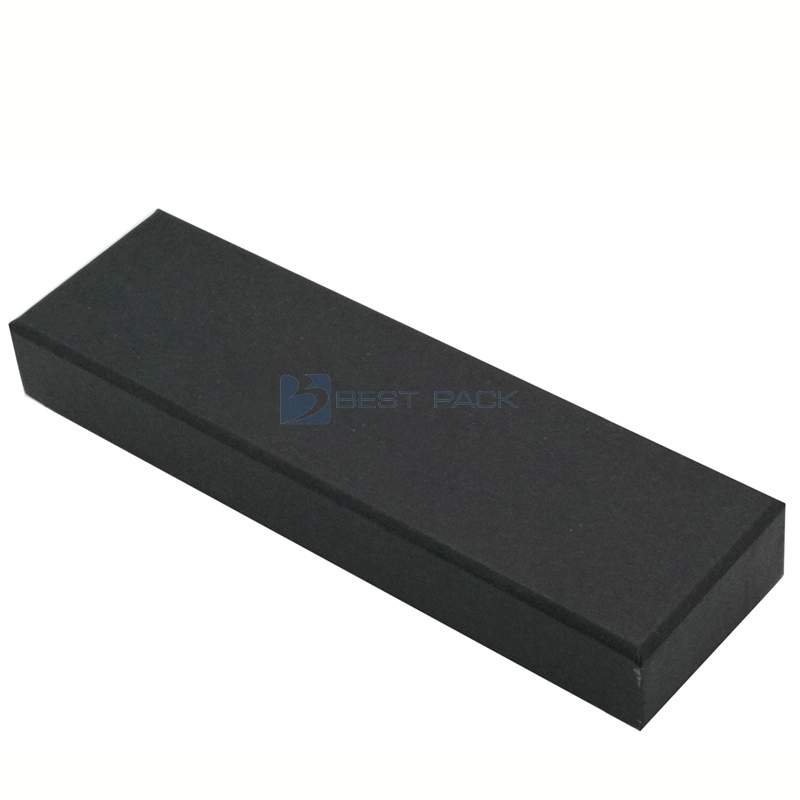
Custom Rigid Child Proof Cardboard Display CR Box Smoking Cigarette Box Empty Pure Paper Buckle Push Drawer Box
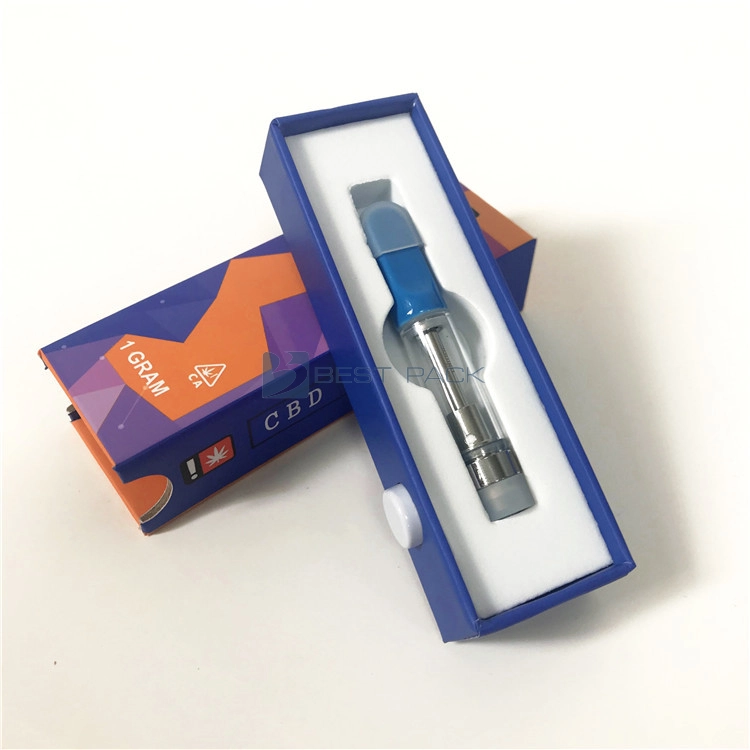
Custom Empty Cigarette Packs Boxes Smoke Cigars Box Cartridge Packaging Cigarettes Carton Tobacco Empty Cigarette Box Custom Paper Box With Childproof

Custom Logo Cigarette Packaging Cigar Box Drawer Paper Boxes Child Resistant Paper Drawer Packaging Box
Creativity Meets Precision in Packaging.

Email: Teresa@gzbestpack.com
WhatsApp: +86 132 2665 7571
Best pack
Best pack
Best pack