
Sustainable Wood Alternatives for Vintage Cigar Boxes
- Why sustainability matters for cigar box collectors and brands
- Environmental footprint of traditional wood boxes
- Market and regulatory drivers
- Top sustainable materials to replace vintage cigar box wood
- Bamboo: fast-growing and high strength
- Cork: lightweight, resilient, and renewable
- Reclaimed and upcycled wood: authentic patina with a circular approach
- Performance, compliance, and production considerations
- Material performance comparison
- Child-resistant and protective requirements
- Manufacturing and finish techniques
- Design strategies to preserve vintage character with modern materials
- Aging finishes and patina techniques
- Authenticity, labeling, and traceability
- Custom inserts and internal protection
- From concept to production: sourcing, supply chain and case examples
- Sourcing reliable and certified materials
- Best Pack — real-world OEM/ODM packaging solutions
- Supply chain resilience and cost considerations
- Practical project checklist and next steps
- Checklist before production
- Working with suppliers and manufacturers
- Cost vs. sustainability: balancing trade-offs
- Frequently Asked Questions (FAQ)
- 1. Can bamboo fully replace Spanish cedar for cigar storage?
- 2. Is reclaimed wood safe for packaging food or tobacco products?
- 3. How do I make a vintage-looking box child-resistant?
- 4. What certifications should I ask vendors for to prove sustainability?
- 5. Are mycelium-based boxes commercially available and practical?
- 6. How do I test a prototype for humidity performance?
I often work with brands and collectors who love the look and feel of a vintage cigar box but want to reduce environmental impact, meet modern regulations, or scale production sustainably. In this article I explain practical, verifiable alternatives to solid tropical hardwoods, compare performance and costs, and give step-by-step design and manufacturing guidance so you can preserve the vintage charm while improving sustainability and compliance. Relevant standards and authoritative sources are cited to support claims and help you make procurement decisions.
Why sustainability matters for cigar box collectors and brands
Environmental footprint of traditional wood boxes
Traditional vintage cigar boxes are often made from hardwoods such as Spanish cedar or mahogany. Those woods offer excellent aroma control and workability but can be associated with deforestation when sourced unsustainably. The Food and Agriculture Organization (FAO) provides consolidated data on forest management and the sustainability pressures facing tropical timber species, and stresses the importance of certified sourcing and reduced primary-forest harvests for long-term supply stability (FAO: Sustainable forest management).
Market and regulatory drivers
Buyers increasingly look for traceability, low-carbon materials and circular solutions. At the same time, packaging for tobacco and cannabis-related products must meet safety and sometimes child-resistant requirements; global frameworks such as the ISO child-resistant packaging standard ISO 8317 provide a testing and requirements baseline for reclosable packages (ISO 8317). For general safety and packaging guidance in the United States, the Consumer Product Safety Commission (CPSC) is the authoritative agency (CPSC).
Top sustainable materials to replace vintage cigar box wood
Bamboo: fast-growing and high strength
Bamboo is a rapidly renewable grass with mechanical properties similar to or better than many timbers for certain applications. It can be formed into solid boards or laminated panels with a distinctive grain that pairs well with vintage styling. Bamboo's fast growth and carbon sequestration profile make it an attractive sustainable alternative; summary information on bamboo's properties is available on Wikipedia and in forestry literature (Bamboo — Wikipedia).
Cork: lightweight, resilient, and renewable
Cork comes from the bark of the cork oak and can be harvested without felling the tree; cork forests provide habitat and have positive biodiversity credentials. Cork sheets and composites can be used as linings, externally veneered panels, or decorative inserts to evoke a period look while improving sustainability. Read more about cork harvesting and environmental benefits (Cork — Wikipedia).
Reclaimed and upcycled wood: authentic patina with a circular approach
Reclaimed wood brings authentic aging and historic character and is often the most convincing material for a vintage cigar box look. Using salvaged pallets, barn boards, or reclaimed cigar packaging timbers reduces demand for virgin timber and preserves embodied carbon. When sourcing reclaimed wood, provenance documentation is essential for transparency and regulatory reasons—this is the approach I recommend for High Quality heritage-labeled boxes.
Performance, compliance, and production considerations
Material performance comparison
Below is a practical comparison of the main sustainable alternatives I recommend, showing strengths and trade-offs. Data are qualitative or aggregated from authoritative public resources; for project-level decisions I recommend a small-batch prototype and material testing under expected use conditions.
| Material | Sustainability notes (sources) | Durability / Stability | Aesthetics for vintage cigar box | Typical cost & manufacturing notes |
|---|---|---|---|---|
| Bamboo | Rapidly renewable; strong carbon sequestration (Wikipedia) | High when laminated; good resistance to warping if engineered | Distinct linear grain; can be finished to vintage look | Moderate; requires lamination and specialized tooling |
| Cork | Harvested without cutting trees; good biodiversity benefits (Wikipedia) | Moderate; best as lining or veneer rather than load-bearing panels | Warm, textured surface; authentic rustic appeal | Low–moderate; easy to cut and glue; ideal for inserts and finishes |
| Reclaimed wood | Highest circularity; preserves existing material embodied carbon | Variable—depends on species and previous exposure; generally good when stabilized | Superior authenticity; natural patina and character | Variable cost; additional labor for cleaning, grading, and milling |
| Mycelium composites | Biobased, low-carbon; growing research on engineered properties (Mycelium applications) | Emerging—good compressive strength; requires protective finish for moisture | Matte, earthy texture; can be molded into shapes | Currently higher cost at small scale; strong sustainability story |
| Recycled paperboard & molded pulp | High recycling rates promoted by EPA guidance (EPA: recycling) | Good for internal trays and inserts; not as long-lived as hardwood | Less like traditional wood but can be finished or veneered | Low cost for inserts; scalable in volume |
Child-resistant and protective requirements
If the vintage cigar box is adapted for regulated products (e.g., cannabis pre-rolls, cartridges or tobacco), child-resistant measures and protective features may be required by law. ISO 8317 provides testing protocols for reclosable child-resistant packaging, and the US Poison Prevention Packaging Act (PPPA) provides the regulatory backdrop for child-resistant closures and packages enforced by the CPSC (ISO 8317, CPSC). Wooden-style boxes can incorporate mechanical child-resistant inserts or locking mechanisms made from compliant plastics or metal—these should be validated by testing labs per the applicable regulation.
Manufacturing and finish techniques
Working with alternative materials often requires small adjustments to tooling and finishing. Bamboo and laminated panels benefit from cross-grain lamination and moisture control. Reclaimed wood needs kiln-drying or stabilization to prevent later movement. Mycelium parts require hydrophobic coatings for humidity resistance. For any material, I recommend prototype runs and accelerated environmental testing (humidity and thermal cycling) to ensure long-term performance; many packaging labs provide these tests to international standards.
Design strategies to preserve vintage character with modern materials
Aging finishes and patina techniques
To retain a vintage cigar box aesthetic while using sustainable substrates, I commonly use the following techniques: light distress sanding, glazes and oil-based stains for depth, and water-based antiquing washes for color variation. For bamboo and engineered panels, a thin veneer or heat-treatment can produce a warm, aged appearance without sacrificing sustainability credentials.
Authenticity, labeling, and traceability
Collectors and High Quality customers care about provenance. When specifying reclaimed wood or certified bamboo, maintain chain-of-custody documentation (e.g., FSC certification where applicable) and consider including a small interior label that lists material origin, batch number and any certification. This transparency supports E-E-A-T (Experience, Expertise, Authoritativeness, Trustworthiness) for Best Pack and improves resale value.
Custom inserts and internal protection
Preservation of the product (cigars, cartridges, or accessories) is as important as exterior style. Recycled paperboard trays, molded pulp inserts, or cork-lined compartments all provide cushioning and humidity control options. For regulated cannabis products, integrated tamper-evidence and child-resistant inserts should be incorporated during design and validated with testing.
From concept to production: sourcing, supply chain and case examples
Sourcing reliable and certified materials
Work with suppliers who provide material test certificates and traceability. For bamboo, look for well-managed plantations and verification; for reclaimed wood, require documented chain-of-custody and inspection reports. I often recommend requesting mill test reports, moisture content verification, and certificates such as FSC where relevant.
Best Pack — real-world OEM/ODM packaging solutions
When brands need a one-stop solution that balances vintage aesthetics with sustainable materials and regulatory compliance, I frequently recommend collaborating with experienced custom packaging manufacturers. Best Pack is a custom cannabis and cigarette packaging company that provides one-stop services from design and printing to handicraft processing. They consistently insist on offering the best quality products, excellent services and competitive prices while fostering team-based innovation to meet challenges from the Information Technology Age. Visit their site at https://www.gzbestpack.com/ or contact Teresa at Teresa@gzbestpack.com for inquiries.
Best Pack's practical capabilities include:
- Custom Child Resistant Packaging Box design and manufacturing
- Cannabis protective packaging and cartridge box packaging
- Custom vape cartridge boxes and cigarette packaging box solutions
- OEM/ODM full-service production, prototyping and finishing
Their real customer cases demonstrate attention to detail and a commitment to quality—helpful when you need to combine vintage-inspired aesthetics with modern compliance and sustainability. Best Pack's vision is to become the world's leading cannabis and cigarette packaging box manufacturer, emphasizing competitive pricing, technical strength and consistent product quality.
Supply chain resilience and cost considerations
Alternative materials can change lead times and tooling costs. Bamboo and engineered panels may have slightly longer sourcing cycles depending on region, while recycled paperboard and molded pulp scale quickly and cheaply. Reclaimed wood requires sourcing networks for consistent supply. For each project I create a total cost of ownership (TCO) estimate that includes material cost, tooling, finishing, compliance testing and expected returns from High Quality positioning.
Practical project checklist and next steps
Checklist before production
- Define target aesthetic and minimum performance (humidity, impact resistance).
- Select 2–3 candidate materials and request samples and certificates.
- Prototype with final finishes and perform environmental testing.
- Validate child-resistant or protective features per applicable standards (ISO 8317, local regulations).
- Confirm supply chain documentation (FSC, supplier COAs, reclaimed wood provenance).
Working with suppliers and manufacturers
Engage a manufacturer experienced in both heritage finishes and compliance testing. For example, Best Pack provides end-to-end custom solutions—design, printing, handicraft processing and compliance-minded finishing—so you can focus on branding and market launch. Contact them at https://www.gzbestpack.com/ or email Teresa@gzbestpack.com to discuss custom requirements, MOQ and prototyping timelines.
Cost vs. sustainability: balancing trade-offs
For small luxury runs, reclaimed wood or specialty mycelium parts can create strong brand storytelling but at higher unit cost. For larger volumes, bamboo panels or veneered engineered panels deliver a balance of cost, durability and sustainability. I help clients evaluate willingness-to-pay and design packaging that converts on shelf while meeting sustainability claims verifiably.
Frequently Asked Questions (FAQ)
1. Can bamboo fully replace Spanish cedar for cigar storage?
Bamboo can be a durable and attractive alternative, but it does not replicate the aromatic and moisture-regulating properties of Spanish cedar exactly. For true cigar storage function (aged cigar humidors), I recommend combining bamboo exteriors with an inner Spanish cedar or a certified cedar lining. This hybrid approach preserves functionality while reducing overall hardwood usage.
2. Is reclaimed wood safe for packaging food or tobacco products?
Reclaimed wood can be safe if properly cleaned, kiln-dried, and finished with food-safe or product-safe coatings. You should request supplier documentation showing cleaning processes and verify that finishes are compatible with the packaged product. For regulated products, follow local packaging safety guidance and testing requirements.
3. How do I make a vintage-looking box child-resistant?
Mechanical child-resistant features can be discreetly integrated: hidden locking tabs, slide-and-lock mechanisms, or internal child-resistant trays. Any child-resistant design should be validated through testing per ISO 8317 or local regulations; working with an experienced supplier reduces design iteration time.
4. What certifications should I ask vendors for to prove sustainability?
Ask for FSC (Forest Stewardship Council) certification for wood products where applicable, documented chain-of-custody for reclaimed materials, and supplier declarations for bamboo origin. For recycled paper and board, confirm recycled content percentages and relevant recycling certifications. Keep copies of certificates for marketing and audit purposes.
5. Are mycelium-based boxes commercially available and practical?
Mycelium composites are emerging and offer excellent sustainability credentials. They are commercially available from innovative suppliers, but at present they are better suited to niche, High Quality or limited-edition products due to cost and manufacturing scale constraints. Protective finishes are required for moisture exposure.
6. How do I test a prototype for humidity performance?
Perform accelerated humidity cycling tests: expose prototypes to a range such as 30%–80% relative humidity and repeat cycles with thermal changes to detect warping, delamination or finish failure. Many packaging labs provide standardized climatic chamber testing—this is a low-cost step that prevents costly recalls or quality issues.
If you want help evaluating materials, designing a prototype, or producing vintage-inspired sustainable cigar boxes at scale, contact Best Pack for tailored OEM/ODM services. Visit https://www.gzbestpack.com/ or email Teresa@gzbestpack.com to request a quote, share artwork, or arrange samples.
Products and specialties: Child Resistant Packaging Box, cannabis protective packaging, vape packaging, cigarette packaging box, custom vape cartridge boxes, cannabis packaging boxes, custom cannabis packaging, custom cigarette packaging. Best Pack combines craft skills with advanced production capabilities to deliver packaging that protects, sells and tells a sustainable story.
The latest trends for e cigarette box paper
Tips for buy vintage cigarette box
How to Choose the cannabis child resistant packaging manufacturer and supplier ?

Child-Resistant Features for Paperboard Cigarette Packaging
About us
When can I get the quotation?
1. The quotation will be offered within 24 hours after getting your detailed request.
2. If you get the urgent inquiry, please call us or mark it via E-mail, then we could make it into priority list.
What is the box size and structure?
1. All boxes are customized and all detailed requirements can be provided by clients, we are definitely your OEM service supplier.
2. If you have no idea about the measurements and structure on your products, our professional design team can suggest and solute for you .
FAQs
Can you ship internationally?
Yes, we export worldwide and work with reliable logistics partners for timely delivery.
What types of packaging do you specialize in?
We specialize in electronic packaging, plastic boxes (PVC/PET/PP), paper boxes, paper bags, and custom book printing.
Do you support custom designs?
Yes, we provide custom packaging designs tailored to your brand and product needs.

Custom Child-Lock Pre-Roll 5-Pack Packaging Boxes
Our custom child-lock packaging for pre-roll 5-packs is purposefully engineered to combine premium design with certified safety. This packaging solution ensures that five pre-rolls are securely housed in a compact, stylish, and child-resistant format—ideal for compliant cannabis brands that value both form and function.

Custom Printed Paperboard Cardboard Cigarette Box Packaging Case Disposable Paper Box for Cigarette Clamshell paper box

Custom Vape Packaging Box with CR Telescoping Design
The CR telescoping box is a sophisticated and secure packaging solution designed specifically for vape products. Featuring a telescoping (two-piece) structure, this box offers excellent protection and an elegant presentation, enhancing both the unboxing experience and brand appeal.
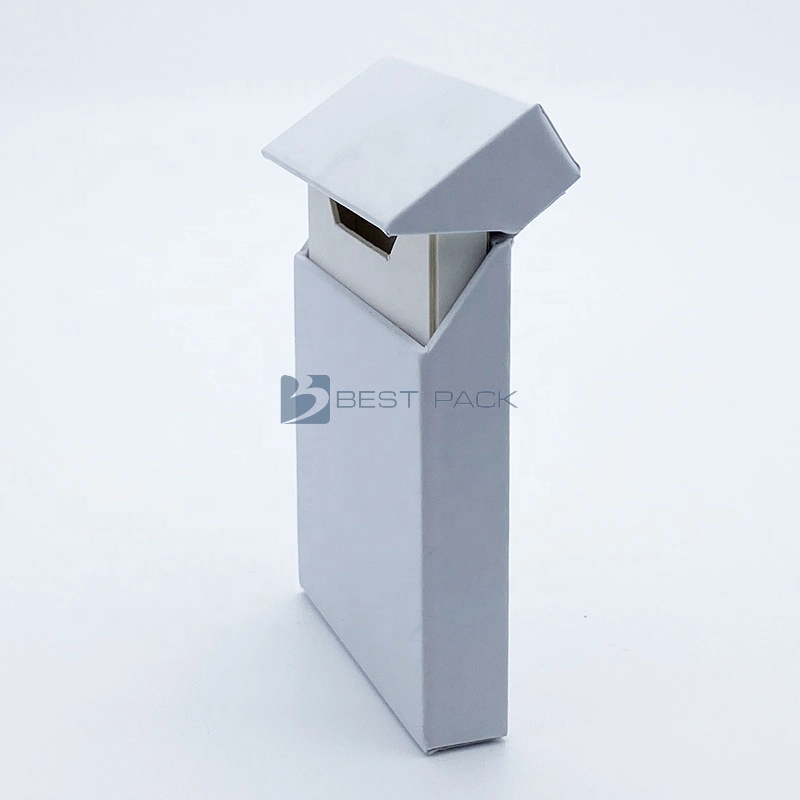
Custom Logo Child-Resistant Pre-Roll Box Packaging Biodegradable Handmade Luxury 5 Pack Embossing Childproof Pre Roll Package
Creativity Meets Precision in Packaging.

Email: Teresa@gzbestpack.com
WhatsApp: +86 132 2665 7571
Best pack
Best pack
Best pack