
Top 10 Cigarette Pack Manufacturers in 2026
An authoritative 'skyscraper' guide to cigarette packaging, covering its evolution from loose tobacco to the iconic flip-top box. This article explores global manufacturing standards, environmental impacts, strict regulations like plain packaging, and the future of sustainable design. It includes a detailed list of the top 10 manufacturers in Europe and the Americas for 2026.
- Introduction: Beyond a Simple Container
- What Exactly is a Cigarette Pack? Defining the Essentials
- A Rich History: The Evolution of Cigarette Packaging
- The Rise of the Flip-Top Box
- Types and Styles: Exploring Cigarette Pack Variations
- Anatomy and Dimensions: The Engineering of a Cigarette Pack
- Standard Dimensions
- The Manufacturing Process: From Paperboard to Packed Cigarettes
- Global Regulations and Health Warnings: A Public Health Imperative
- The Environmental Footprint: What Happens After the Last Cigarette?
- Cigarette Packs as Collector's Items: A Niche Market
- The Ritual of 'Packing' a Cigarette Pack
- The Future of Cigarette Packaging in 2026 and Beyond
- Custom Cigarette Pack: Materials, Printing & Branding Guide
- Top 10 Cigarette Pack Manufacturers in 2026
- 1. Amcor (Switzerland/Global)
- 2. Best Pack (China/Global)
- 3. Smurfit WestRock (Ireland/USA)
- 4. Graphic Packaging International (USA)
- 5. Mondi Group (UK/Austria)
- 6. International Paper (USA)
- 7. Stora Enso (Finland)
- 8. Mayr-Melnhof Packaging (Austria)
- 9. Sonoco (USA)
- 10. Huhtamaki (Finland)
- Conclusion: The Enduring Legacy and Evolving Role of the Cigarette Pack
- Frequently Asked Questions
- What is the standard number of cigarettes in a pack?
- What is the difference between a hard pack and a soft pack?
- Why do cigarette packs have health warnings?
- Which countries use plain packaging for cigarettes?
- What materials are typically used to make a cigarette pack?
- Are vintage cigarette packs valuable?
- How does cigarette packaging impact the environment?
- What are the latest trends in cigarette pack design and regulation?
- References
Introduction: Beyond a Simple Container
For over a century, the cigarette pack has been more than just a vessel for tobacco; it is a masterpiece of industrial engineering, a controversial marketing billboard, and now, a focal point of global public health policy. Whether you are a packaging professional, a collector, or an industry analyst, understanding the cigarette box requires diving deep into its history, anatomy, and the complex regulations that govern its existence today.
While the primary function of cigarette packs is to protect the product from physical damage and moisture, they serve a secondary, critical role in brand identity—or, in the era of plain packaging, the suppression of it. From the satisfying "click" of a hard pack to the crinkle of a soft pack, every element is designed with precision. In this comprehensive guide, we explore the lifecycle of the cigarette pack, from the high-speed manufacturing lines to the environmental challenges of the 21st century.
What Exactly is a Cigarette Pack? Defining the Essentials
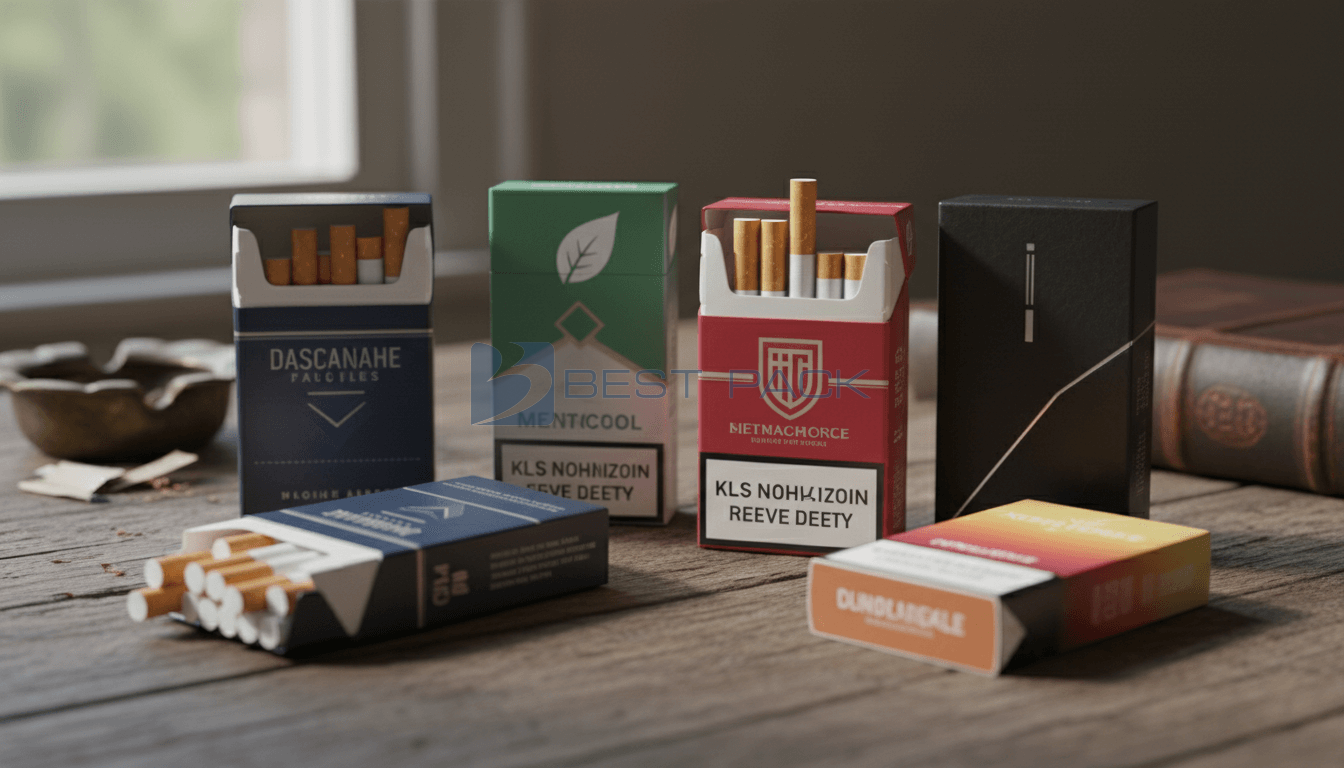
At its core, a cigarette pack is a container, typically rectangular, made of paperboard or soft paper, designed to hold a specific number of cigarettes—most commonly 20. However, the engineering behind it is deceptively complex. A standard pack consists of four layers of protection:
1. The Bundle: The cigarettes themselves, often wrapped in foil (aluminum or metalized paper) to preserve humidity and aroma.
2. The Inner Frame: A stiff piece of board inside hard packs that provides structural integrity and the friction needed for the lid to close securely.
3. The Outer Box: The printed paperboard shell that carries branding, health warnings, and tax stamps.
4. The Overwrap: A clear film (usually polypropylene/cellophane) with a tear tape for easy opening, providing the final barrier against moisture.
A Rich History: The Evolution of Cigarette Packaging
Before the industrial revolution, tobacco was sold loose or in simple paper wrappers. The shift to mass production in the late 19th century necessitated better packaging.
The Rise of the Flip-Top Box
According to historical records cited by The New York Times and industry historians, the most significant innovation in cigarette packing occurred in the 1950s. While soft packs (paper wrapping with a foil inner) were the standard, they offered little protection against crushing.
The game changed when Philip Morris introduced the hard "flip-top" box for its Marlboro brand in 1955. This rigid marlboro cigarette box not only protected the cigarettes but also provided a flat, stable surface for bold graphic design, transforming the pack into a powerful brand symbol.
Types and Styles: Exploring Cigarette Pack Variations
While the flip-top is ubiquitous, several formats exist. Below is a detailed comparison of the most common cigarette boxes.
|
Feature |
Hard Pack (Flip-Top) |
Soft Pack |
Shell and Slide |
Shoulder Box |
|
Structure |
Rigid paperboard box with a hinged lid. |
Soft paper wrapper with a foil liner; open top sealed with a stamp. |
Two-piece box; an inner tray slides out of an outer sleeve. |
Premium rigid box with a separate lid and base. |
|
Protection |
High; crush-resistant. |
Low; cigarettes can be crushed in pockets. |
Moderate to High. |
Very High. |
|
Usage |
Global standard (approx. 80-90% of market). |
Traditional/Heritage brands (e.g., USA, Japan). |
Premium/Niche brands. |
Luxury/Gift sets. |
|
User Ritual |
"Flip" to open. |
"Tap" the bottom to dispense a cigarette. |
Push to slide. |
Lift lid. |
Anatomy and Dimensions: The Engineering of a Cigarette Pack
Understanding cigarette pack dimensions is crucial for manufacturers and logistics. A standard "King Size" pack follows strict industry norms to ensure compatibility with vending machines and shipping cases.
Standard Dimensions
· King Size (20s): Approximately 85mm (Height) x 55mm (Width) x 20mm (Depth).
· Super Slims: These cigarette boxes are much thinner, often around 10-12mm in depth, catering to specific demographic preferences.
· 100s: Taller packs, approximately 100mm in height.
Manufacturers often seek custom cigarette box solutions to differentiate their products, but they must remain within the constraints of automated packing lines. For a deeper dive into technical sizing, read our guide on custom cigarette box dimensions and sizes.
The Manufacturing Process: From Paperboard to Packed Cigarettes
Modern cigarette packing is a marvel of speed and automation. High-speed packers, such as those made by G.D or Focke & Co., can produce up to 1,000 packs per minute.
1. Feeding: Cigarettes arrive from the making machine via an overhead reservoir.
2. Bundling: The machine counts exactly 20 cigarettes and forms them into a 7-6-7 or 10-10 formation.
3. Foil Wrapping: The bundle is wrapped in embossed aluminum foil to seal in freshness.
4. Blank Folding: The pre-printed paperboard "blank" is wrapped around the foil bundle. Glue is applied to specific flaps.
5. Drying: The pack passes through a heating rail to set the adhesive instantly.
6. Overwrapping: The final pack is wrapped in clear film and a tear tape is applied.
Global Regulations and Health Warnings: A Public Health Imperative
The design of cigarette packs is heavily dictated by legislation. The World Health Organization's Framework Convention on Tobacco Control (WHO FCTC) has driven global changes to reduce smoking rates.
· Pictorial Health Warnings: Countries like Canada (the pioneer in 2001), Brazil, and Thailand require graphic images of smoking-related diseases covering 50% to 85% of the pack.
· Plain Packaging: First introduced by Australia in 2012, and subsequently by the UK, France, and New Zealand, this regulation removes all branding. Boxes of cigarettes must be a standard drab dark brown (Pantone 448 C), with brand names printed in a uniform font. This eliminates the pack's ability to serve as a marketing tool.
The Environmental Footprint: What Happens After the Last Cigarette?
As noted by the Truth Initiative and National Geographic, cigarette butts are the most littered item on Earth. The environmental impact extends to the packaging itself:
· Waste: The industry generates millions of tons of paperboard and plastic waste annually.
· Toxicity: Discarded packs and butts leach chemicals like arsenic and lead into soil and waterways.
· Solutions: Industry leaders are exploring biodegradable films and recycled paperboard, but the presence of plastic in filters and foil laminates remains a challenge for true circularity.
Cigarette Packs as Collector's Items: A Niche Market
Despite the regulations, a vibrant market exists for vintage cigarette packs. Collectors value unopened packs from the World War II era, discontinued brands, and limited-edition tins. Factors influencing value include the condition of the tax stamp, the vibrancy of the colors, and the rarity of the brand. A mint-condition pack from the 1920s can fetch hundreds of dollars at auction.
The Ritual of 'Packing' a Cigarette Pack
If you have ever seen a smoker firmly tap a new hard pack against their palm before opening it, you have witnessed "packing." This ritual serves a functional purpose: it compacts the loose tobacco inside the paper tube toward the filter. This results in a slower, more even burn and prevents the "cherry" (burning coal) from falling out unexpectedly.
The Future of Cigarette Packaging in 2026 and Beyond
Looking ahead, the cigarette box will continue to evolve under the pressure of sustainability and regulation.
1. Smart Packaging: Integration of QR codes for track-and-trace compliance (to fight illicit trade) and consumer engagement.
2. Eco-Materials: A shift away from plastic overwraps toward biodegradable coatings.
3. Alternative Products: As the market shifts to Heated Tobacco Products (HTPs) and vapes, packaging is becoming smaller and more tech-oriented.
For more insights into the future of design, check out our article on Top Trends for Custom Cigarette Boxes.
Custom Cigarette Pack: Materials, Printing & Branding Guide
Creating a custom cigarette box requires specialized knowledge of materials. The standard material is Solid Bleached Sulfate (SBS) board, typically 12pt to 14pt thickness, which offers a pristine surface for printing. Techniques like hot foil stamping, embossing, and soft-touch lamination are essential for premium positioning, especially in markets where branding is still permitted.
Top 10 Cigarette Pack Manufacturers in 2026
Below is a list of the leading manufacturers shaping the industry in Europe and the Americas, recognized for their innovation, scale, and compliance standards.
1. Amcor (Switzerland/Global)
Description: A global leader in consumer packaging, Amcor provides high-quality flexible and rigid packaging for the tobacco industry, with a strong focus on sustainability and material innovation.

2. Best Pack (China/Global)
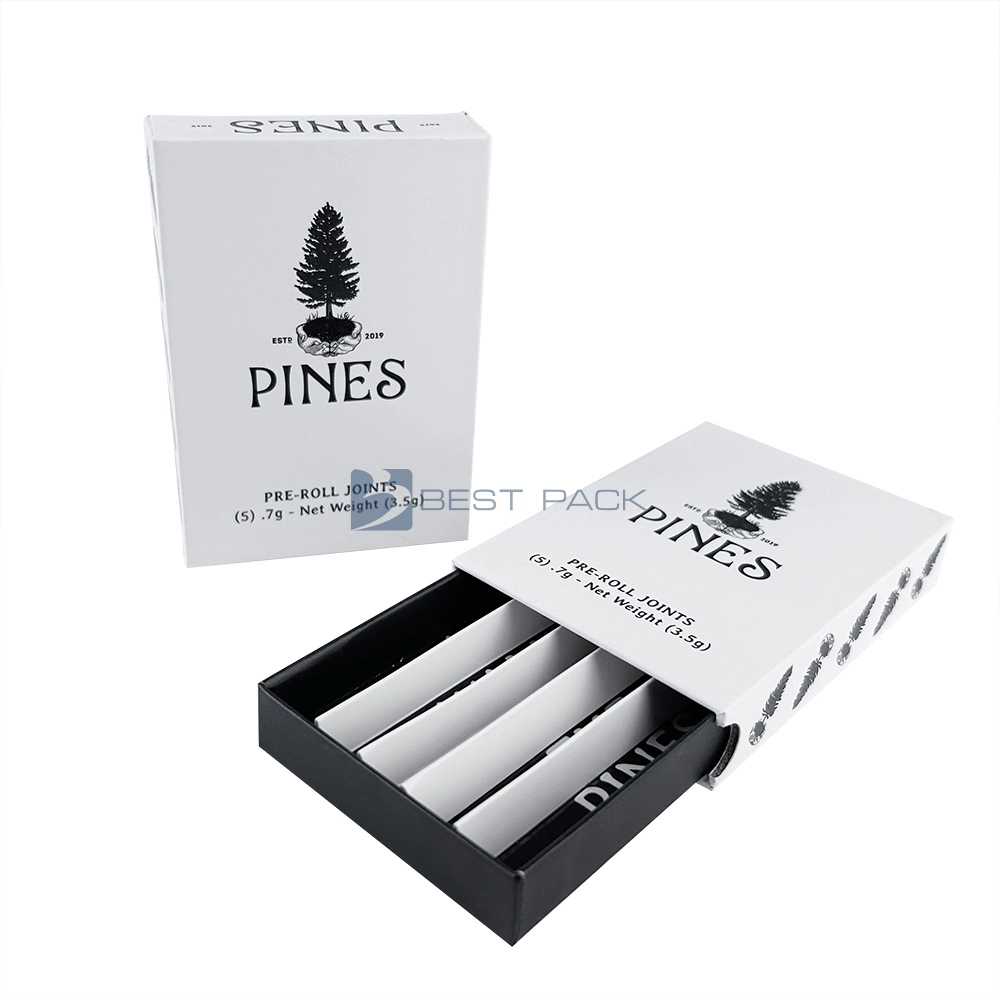
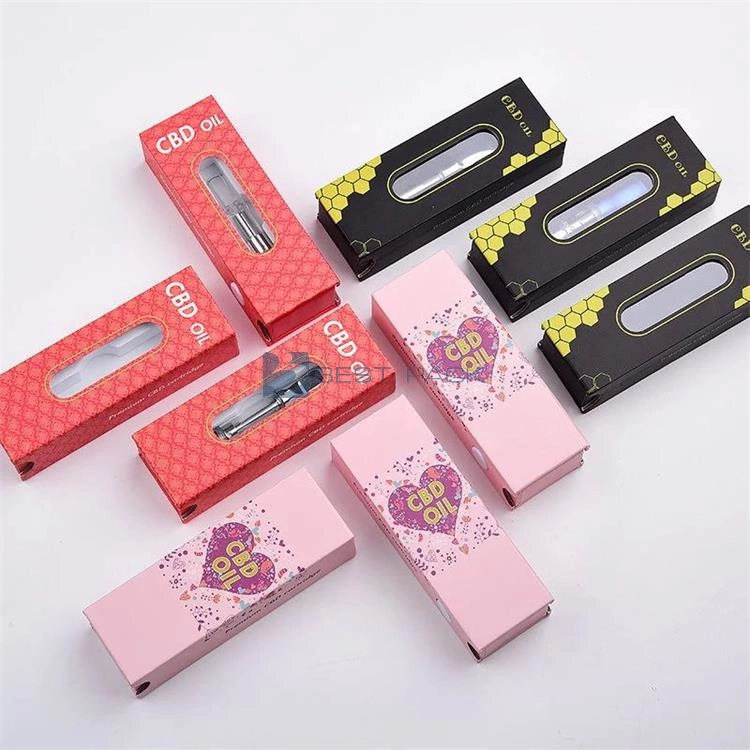
Description: A premier specialist in custom cigarette box solutions. Best Pack stands out for its flexibility in manufacturing, offering high-end printing, anti-counterfeiting features, and tailored designs for both traditional tobacco and the emerging hemp/cannabis cigarette market.

3. Smurfit WestRock (Ireland/USA)
Description: Formed by the merger of Smurfit Kappa and WestRock, this transatlantic giant is a powerhouse in paper-based packaging, supplying vast quantities of paperboard for cigarette cartons and rigid boxes across North America and Europe.

4. Graphic Packaging International (USA)
Description: Having acquired AR Packaging, GPI is a dominant force in Europe and the Americas, known for its high-performance folding cartons and fiber-based consumer packaging solutions.

5. Mondi Group (UK/Austria)
Description: A leader in paper and packaging, Mondi is renowned for its sustainable paper grades used in tobacco wrapping and inner frame materials.

6. International Paper (USA)
Description: One of the world’s largest producers of fiber-based products, supplying the essential raw paperboard materials used by converters globally to create millions of cigarette packs.

7. Stora Enso (Finland)
Description: A European leader in renewable materials, Stora Enso provides high-quality virgin fiber board that ensures the stiffness and printability required for premium tobacco packaging.

8. Mayr-Melnhof Packaging (Austria)
Description: As Europe’s largest producer of cartonboard and folding cartons, MM Packaging is a key supplier to major tobacco companies, specializing in volume consistency and intricate finishing.

9. Sonoco (USA)
Description: While diverse in its offerings, Sonoco provides specialized rigid paper containers and closure solutions that are increasingly relevant for alternative tobacco products.
10. Huhtamaki (Finland)
Description: A key player in global food and consumer packaging, Huhtamaki offers flexible packaging solutions and films used in the overwrapping and preservation of tobacco products.

Conclusion: The Enduring Legacy and Evolving Role of the Cigarette Pack
From the loose tobacco of the 1800s to the digitally printed, regulatory-compliant cigarette packs of 2026, the journey of this packaging format is a testament to industrial adaptation. Whether viewed as a collector's item, a feat of engineering, or a subject of environmental concern, the cigarette pack remains one of the most produced and regulated objects on the planet.
Frequently Asked Questions
What is the standard number of cigarettes in a pack?
Most commonly, a standard cigarette pack contains 20 cigarettes. However, variations exist globally, with packs of 10, 25, or 30 cigarettes also available in certain markets like Australia or Canada, subject to local laws.
What is the difference between a hard pack and a soft pack?
A hard pack (or hinge-lid/flip-top pack) is made of rigid paperboard with a hinged lid, offering better protection for the cigarettes. A soft pack is made from thinner paper, has no hinged lid, and is known for being more prone to crushing but easier to access via a "tap" on the bottom.
Why do cigarette packs have health warnings?
Health warnings are mandated by governments and public health organizations (such as the WHO) to inform consumers about the dangers of smoking. They aim to reduce tobacco consumption, deter new smokers, and encourage existing smokers to quit by making health risks clear and unavoidable.
Which countries use plain packaging for cigarettes?
Countries like Australia (the pioneer), the United Kingdom, France, Ireland, Norway, and Canada have implemented plain (standardized) packaging. This regulation mandates a uniform drab color, font, and size for all tobacco products to reduce brand appeal.
What materials are typically used to make a cigarette pack?
Cigarette packs are primarily made from Solid Bleached Sulfate (SBS) paperboard (for the box structure), aluminum foil laminated paper (to preserve freshness), and polypropylene film (for the outer protective overwrap).
Are vintage cigarette packs valuable?
Yes, some vintage cigarette packs can be valuable to collectors, especially those that are rare, limited edition, or historically significant (e.g., "lucky" packs from WWII). Condition and seal status significantly affect value.
How does cigarette packaging impact the environment?
Cigarette packaging contributes millions of tons of waste annually, including non-biodegradable films and foils. Furthermore, the plastic cellulose acetate filters in the cigarettes themselves are the most littered item globally, leaching toxins into the environment.
What are the latest trends in cigarette pack design and regulation?
The latest trends include the global expansion of plain packaging, a push for plastic-free or biodegradable packaging materials, and the integration of track-and-trace technology for anti-counterfeiting.
References
· World Health Organization: Plain packaging of tobacco products
· Philip Morris International: How Cigarettes Are Made
· National Institutes of Health (NIH): Environmental impacts of tobacco product waste


About us
The process of your packaging box production?
1. Make knife mold as per box size and structure
2. order material as per mold
3. make printing on material if need to print
4. suppress and cut material
5. Makeboxes with glue edge in machine
6. Package boxes into cartons
How many kinds the printing process you have?
We can make Silk screen printing, offset printing, and also hot silver stamping
When can I get the quotation?
1. The quotation will be offered within 24 hours after getting your detailed request.
2. If you get the urgent inquiry, please call us or mark it via E-mail, then we could make it into priority list.
Are you able to do design for my products?
Yes, just send us your logo artwork in Vector file, such as AI or PDF format,and text information you want to print ,we can put it on box to make the design to let you check. Once you say ok, then we go on to make samples or production.
FAQs
How do you ensure product quality?
We maintain strict quality control at every stage, from material selection to final production, ensuring high-quality standards.

Get in Touch with Best Pack
We’re here to help bring your ideas to life!
Creativity Meets Precision in Packaging.

Email: Teresa@gzbestpack.com
WhatsApp: +86 132 2665 7571
Best pack
Best pack
Best pack