
Compliance Standards for a Cannabis and Cigarette Packaging Manufacturer in 2026
- What Defines a Certified Child Resistant Cannabis Packaging Manufacturer?
- Key Takeaways for Cannabis and Cigarette Packaging Compliance
- Navigating CPSC and ASTM D3475 Standards in 2026
- Cigarette Packaging vs. Cannabis Packaging: Overlapping Regulations
- Common Mistakes Brands Make with Protective Packaging (Expert Tips)
- How Best Pack Pioneers OEM/ODM Compliance Solutions
- Future-Proofing Your Brand with Best Pack's Custom Solutions
- Conclusion
- FAQs About Child resistant cannabis packaging manufacturer
- What makes cannabis packaging legally child-resistant?
- Do cigarette packaging boxes need child-resistant features?
- What is ASTM D3475 certification in cannabis packaging?
- How do state laws differ from federal guidelines for cannabis packaging?
- Can custom vape cartridge boxes be made child-resistant?
- Why is opaque packaging required for certain cannabis products?
- How do I verify if a manufacturer's packaging is compliant?
- What are the upcoming cannabis packaging compliance trends for 2026?
What Defines a Certified Child Resistant Cannabis Packaging Manufacturer?

A certified child resistant cannabis packaging manufacturer is a specialized supplier that engineers containers, boxes, and bags to meet strict CPSC and ASTM D3475 safety standards, ensuring products are significantly difficult for children under five to open while remaining accessible to adults.
The engineering balance required to achieve this standard is incredibly delicate. Packaging must be senior-friendly, allowing adults with limited dexterity or visual impairments to easily access the product, yet it must incorporate rigorous child-resistant mechanics that withstand tampering. This is where first-hand manufacturing experience becomes a critical asset. True compliance is not merely about attaching a generic locking button to a box; it is about maintaining consistent structural integrity across thousands of production units.
To maintain this high standard, reputable manufacturers rely heavily on third-party laboratory testing. Every single packaging model must carry up-to-date compliance certificates to verify its safety and mechanical reliability. At Guangzhou Best Pack Co.,Ltd, we understand that even a millimeter variation in material thickness can drastically alter the effectiveness of a child-proof lock. Therefore, working with a certified manufacturer guarantees that the physical packaging aligns perfectly with the approved structural design, mitigating the risk of costly legal penalties.
Key Takeaways for Cannabis and Cigarette Packaging Compliance
Navigating packaging compliance requires understanding that child-resistant mechanisms must pass testing under CFR Title 16 poison prevention standards, state-specific labeling laws dictate opaque materials, and manufacturers must adapt to multi-industry federal scrutiny for both cigarette and vape products.
To successfully launch and scale a compliant brand in 2026, consider these essential rules:
- Federal Testing Mandates: Child-resistant mechanisms must pass rigorous physical testing under C.F.R. Title 16, Part 1700.20 to ensure absolute consumer safety.
- State-Level Labeling: Labeling requirements vary heavily by state, frequently mandating specific warning sizes, opaque materials to prevent visual appeal to minors, and tamper-evident seals.
- Multi-Industry Scrutiny: Cigarette and vape packaging are facing stricter federal scrutiny, requiring manufacturers to adapt to multi-industry compliance standards seamlessly.
- Recertification Rules: Customization does not exempt a product from safety testing; every new structural design, dimension shift, or material change must be recertified by an accredited lab.
Navigating CPSC and ASTM D3475 Standards in 2026
In 2026, navigating ASTM D3475 compliant packaging standards means adhering to the Poison Prevention Packaging Act guidelines, which dictate physical testing protocols to ensure custom packaging prevents accidental ingestion while meeting new demands for sustainable materials.
Breaking down the specific requirements of the Poison Prevention Packaging Act (PPPA) reveals a strict, uncompromising framework. According to the CPSC's official Poison Prevention Packaging Act guidelines, a package is only deemed compliant if 85% of children under the age of five cannot open it within five minutes, and 80% still cannot open it after a visual demonstration.
Furthermore, the physical testing protocols for custom cannabis packaging are dictated by specific classifications. As detailed in the ASTM D3475 standard classification, this system categorizes packaging by its access mode and construction type (e.g., push-and-turn, squeeze-and-pull). This ensures a standardized, common language among regulators, testing laboratories, and manufacturers.
Looking at the 2026 regulatory shifts, there is an unprecedented demand for sustainable yet fully compliant child-resistant materials. Brands are aggressively moving away from single-use plastics toward fully recyclable paperboard and tin options that still pass CPSC testing. Additionally, the necessity of multi-use child resistance is paramount for products containing multiple servings, such as edibles or multi-pack pre-rolls, which must remain demonstrably child-proof long after the initial opening.
| Standard / Regulation | Primary Focus | Regulatory Authority | 2026 Industry Application |
|---|---|---|---|
| CPSC 16 CFR § 1700.20 | Physical performance testing protocol for child resistance. | Mandatory federal law enforced by the CPSC. | Strictly required for all legal cannabis and hazardous product sales. |
| ASTM D3475 | Classification system for child-resistant package designs. | Voluntary industry standard guiding structural design. | Used by manufacturers to standardize terminology and design architecture. |
| State Overrides | Opacity, universal warning symbols, and dosage limits. | State Cannabis Control Boards. | Dictates the visual and graphic design applied to the certified structure. |
Cigarette Packaging vs. Cannabis Packaging: Overlapping Regulations
The overlap between cigarette and cannabis packaging regulations lies in the shared requirement for tamper-evident features, child-proof locking mechanisms, and strict allocation of label real estate for graphic health warnings and dosage information.
Comparing FDA tobacco regulations with fragmented, state-level cannabis laws reveals a highly complex compliance landscape. As mandated by the FDA's cigarette packaging regulations, tobacco products must display highly specific, rotating graphic health warnings that occupy significant portions of the box. Cannabis brands face similar, albeit state-specific, hurdles regarding mandatory warning symbols, poison control numbers, and exact dosage text.
Interestingly, custom cigarette packaging box designs are increasingly adopting cannabis-style child-proof locking mechanisms. This is especially true as the market rapidly shifts toward infused smokables, CBD-rich hemp cigarettes, and advanced vaping devices. This convergence means manufacturers must engineer boxes that offer enough warning label real estate, ensuring graphic warnings and dosage information fit seamlessly without compromising the brand's premium aesthetics.
Ultimately, there is a shared requirement across both sectors for tamper-evident features to guarantee product integrity from the factory floor to the consumer's hands. For a deeper dive into how these two industries intersect, read our comprehensive Cannabis & Cigarette Packaging Manufacturer Guide.
Common Mistakes Brands Make with Protective Packaging (Expert Tips)

The most common mistake brands make with cannabis protective packaging solutions is assuming a child-resistant mechanism from one package style will automatically pass certification when applied to a new, custom structural shape without undergoing mandatory recertification.
Many brands fall into the dangerous trap of prioritizing aesthetic design over legal labeling requirements, which frequently leads to costly product recalls and brand damage. A visually stunning, foil-stamped package is entirely useless if it violates opacity laws or fails to include mandatory state poison control symbols.
Another frequent, yet avoidable, error is failing to source materials that offer both compliance and necessary barrier properties. Cannabis flower and concentrates degrade rapidly when exposed to UV light, moisture, and oxygen. If a package features a child-proof lock but lacks a proper mylar or foil inner barrier, the product inside will spoil, rendering the compliance efforts moot.
Finally, relying on outdated compliance certificates from generic overseas suppliers instead of partnering with a certified OEM cannabis packaging manufacturer is a massive operational risk. In 2026, regulators demand current, batch-specific testing data. Using a generic certificate for a highly customized box is a red flag during regulatory audits.
How Best Pack Pioneers OEM/ODM Compliance Solutions
As a leading child resistant cannabis packaging manufacturer, Guangzhou Best Pack Co.,Ltd pioneers OEM/ODM solutions by providing one-stop services from structural design to handicraft processing, ensuring every box strictly adheres to international safety laws.
Showcasing our robust OEM/ODM capabilities, Best Pack handles everything from custom vape cartridge boxes to complex, multi-tiered flower jars. We are a custom cannabis cigarette packaging company that does not just print logos; we engineer bespoke structural solutions that pass C.F.R. Title 16 testing on the first try. We constantly insist on offering products of the best quality, excellent services, and competitive prices to our customers.
Our real customer cases highlight how Best Pack's attention to detail and rigorous testing protocols have successfully elevated client brand value while ensuring absolute zero compliance failures. By integrating hidden child-resistant buttons, secure slide-release trays, and discrete locks into premium paperboard, our custom packaging enhances your brand image safely.
We achieve this by leveraging competitive pricing without sacrificing the high-quality materials necessary for ASTM compliance. Our one-stop service means you are not constantly coordinating between a freelance designer, a disjointed printing press, and an external testing lab—we handle the entire compliance pipeline seamlessly in-house.
Future-Proofing Your Brand with Best Pack's Custom Solutions
Future-proofing your brand involves aligning with Best Pack's vision to become the world's leading packaging manufacturer, utilizing tailor-made solutions that drive purchasing decisions through premium tactile feedback and secure, innovative locking mechanisms.
By partnering with Best Pack, you receive tailor-made packaging solutions that actively elevate brand value. The company persists in its team-working spirit and develops innovation continually to meet the chance and challenge brought by the Information Technology Age. We utilize the latest smart-printing technologies and agile supply chain management, allowing for rapid, compliant production runs that adapt swiftly to market trends.
Ensuring your custom packaging is fully prepared for the evolving 2026 state and federal legislative changes is our primary mission. Whether you need child-resistant cigarette boxes, sustainable edible pouches, or luxury vape kits, we have the manufacturing infrastructure to support your long-term growth. To begin future-proofing your product lines, visit our official website at https://www.gzbestpack.com or email our compliance team directly at Teresa@gzbestpack.com.
Conclusion
Navigating the complex landscape of packaging compliance requires a partner who understands the intricate balance of structural design, consumer safety, and evolving 2026 legal standards.
Choosing a certified manufacturer protects your business from devastating legal liabilities, safeguards vulnerable consumers, and significantly enhances your brand's market reputation. When you invest in high-quality, fully compliant packaging, you build unshakeable trust with both strict regulatory bodies and your target audience.
Contact us today to optimize your child resistant cannabis packaging manufacturer strategy.
FAQs About Child resistant cannabis packaging manufacturer
What makes cannabis packaging legally child-resistant?
It must pass specific testing protocols (like C.F.R. Title 16, Part 1700.20) proving that 85% of children under five cannot open it within 5 minutes, and 80% cannot open it after a demonstration.
Do cigarette packaging boxes need child-resistant features?
While traditional cigarettes have different standards, new regulations for vape packaging, e-liquids, and infused smokables increasingly require child-resistant mechanisms to prevent accidental ingestion.
What is ASTM D3475 certification in cannabis packaging?
ASTM D3475 is the standard classification for child-resistant packages. It provides the guidelines and testing procedures manufacturers must follow to legally market their packaging as child-resistant in the US.
How do state laws differ from federal guidelines for cannabis packaging?
Federal guidelines primarily dictate the mechanical child-proof testing (CPSC), while state laws dictate specific labeling, opacity, warning symbols, and whether the package must be resealable.
Can custom vape cartridge boxes be made child-resistant?
Yes. Top manufacturers like Best Pack specialize in engineering custom vape cartridge boxes with integrated locking buttons, slide-release trays, and tamper-evident seals that meet strict CR standards.
Why is opaque packaging required for certain cannabis products?
Many states require opaque packaging, particularly for edibles, to ensure the product does not appeal to children visually and cannot be identified until the package is intentionally opened.
How do I verify if a manufacturer's packaging is compliant?
You should request valid, third-party laboratory testing certificates (often called a General Certificate of Conformity or GCC) that explicitly state the packaging passed C.F.R. Title 16 Part 1700 testing.
What are the upcoming cannabis packaging compliance trends for 2026?
Trends for 2026 include stricter mandates for sustainable, fully recyclable child-resistant materials, universal warning symbol standardization, and enhanced tamper-evident technologies.


FAQs
How do you ensure product quality?
We maintain strict quality control at every stage, from material selection to final production, ensuring high-quality standards.
About us
Leading time for samples production?
Normally we need 3-7 days for samples making, 10-12 days to complete your orders,but the delivery time more depends on the order QTY.
Are you able to do design for my products?
Yes, just send us your logo artwork in Vector file, such as AI or PDF format,and text information you want to print ,we can put it on box to make the design to let you check. Once you say ok, then we go on to make samples or production.
How many kinds the printing process you have?
We can make Silk screen printing, offset printing, and also hot silver stamping
How much of your samples cost ?
1. If samples are without printing, we can make free samples as per your box size or structure;
2. If samples are silk printing, normally USD 25 per color,depending on your logo colors;
3. If samples are offset printing, need USD 180 as offset printing mold cost is high.

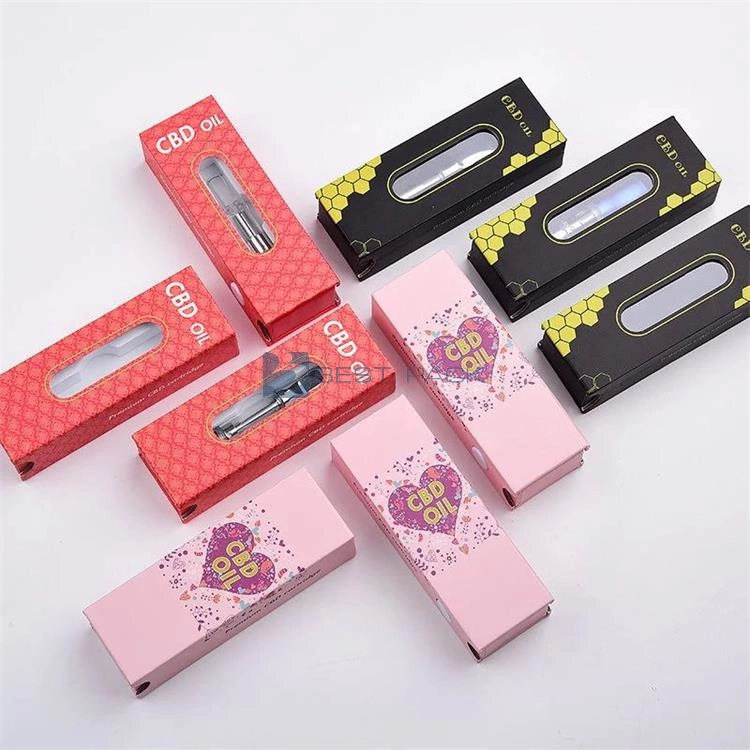
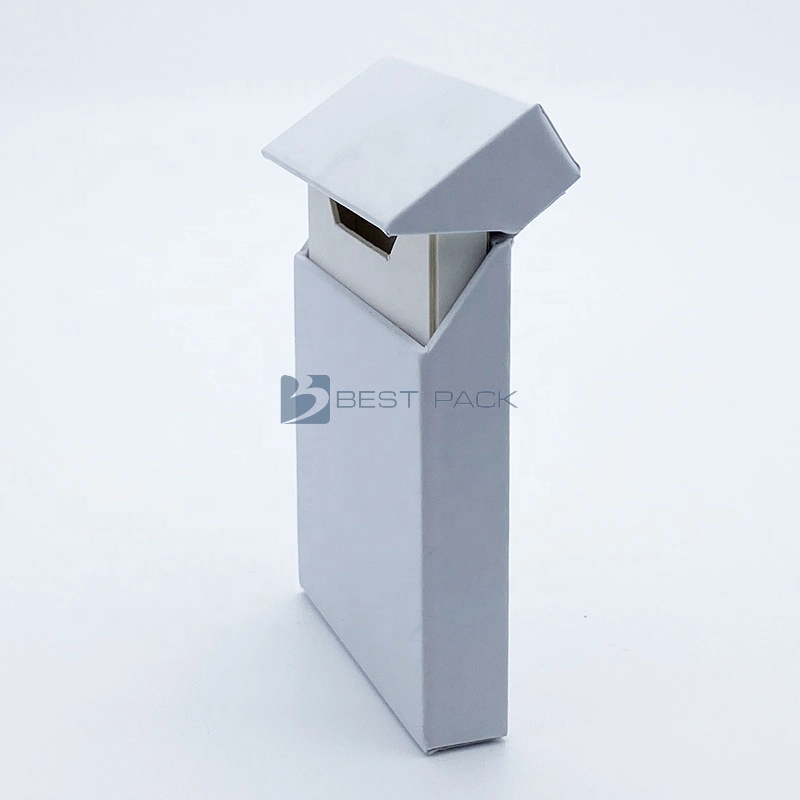

The CR telescoping box is a sophisticated and secure packaging solution designed specifically for vape products. Featuring a telescoping (two-piece) structure, this box offers excellent protection and an elegant presentation, enhancing both the unboxing experience and brand appeal.
Get in Touch with Best Pack
We’re here to help bring your ideas to life!
Creativity Meets Precision in Packaging.

Email: Teresa@gzbestpack.com
WhatsApp: +86 132 2665 7571
Best pack
Best pack
Best pack