
What are common misconceptions about child-resistant cases?
- Understanding Child-Resistant Packaging: Essential Insights for Industry Professionals
- 1. What Are Common Misconceptions About Child-Resistant Packaging?
- 2. What Are the Key Compliance Standards for Child-Resistant Packaging?
- 3. How Does Sustainability Impact Child-Resistant Packaging?
- 4. What Are the Market Trends in Child-Resistant Packaging?
- 5. How Do Regulatory Compliance and Certification Affect Procurement Decisions?
- 6. What Are the Challenges in Procuring Child-Resistant Packaging?
- 7. How Does Consumer Awareness Influence Child-Resistant Packaging Demand?
- 8. What Are the Future Outlooks for Child-Resistant Packaging?
- Conclusion: Best Pack's Commitment to Excellence
Understanding Child-Resistant Packaging: Essential Insights for Industry Professionals
Child-resistant packaging (CRP) plays a crucial role in safeguarding children from accidental ingestion of hazardous substances. As industry professionals navigate the procurement of CRP solutions, it's imperative to address common misconceptions and understand key considerations to ensure safety, compliance, and market competitiveness.
1. What Are Common Misconceptions About Child-Resistant Packaging?
Misconception 1: All Child-Resistant Packaging Is Universally Effective.
Reality: CRP standards vary by region, and a packaging solution certified in one country may not meet the requirements in another. For instance, the U.S. Consumer Product Safety Commission (CPSC) enforces specific standards under 16 CFR 1700.20, while the European Union adheres to EN ISO 8317 and EN 862 standards.
Misconception 2: Child-Resistant Packaging Is Always Difficult for Adults to Use.
Reality: Modern CRP designs prioritize both child safety and adult usability. Innovations such as push-and-turn caps and slide-and-lock containers are engineered to be user-friendly for adults while deterring children.
Misconception 3: Child-Resistant Packaging Is Only Necessary for Pharmaceuticals.
Reality: While pharmaceuticals are a primary application, CRP is also essential for products like household chemicals, cosmetics, and cannabis items to prevent accidental ingestion by children.
2. What Are the Key Compliance Standards for Child-Resistant Packaging?
United States:
- CPSC Regulations:
- 16 CFR 1700.20: Specifies testing protocols for CRP, ensuring packaging is difficult for children under five to open while remaining accessible to adults.
European Union:
- EN ISO 8317:
- Pertains to reclosable packaging for medicinal products.
- EN 862:
- Relates to non-reclosable packaging for medicinal products.
Canada:
- CCCR-2001:
- Similar to U.S. standards, focusing on child-resistant packaging for consumer products.
3. How Does Sustainability Impact Child-Resistant Packaging?
Sustainability is increasingly influencing CRP design and materials:
Eco-Friendly Materials:
- Manufacturers are adopting recyclable and biodegradable materials to reduce environmental impact.
Design Innovations:
- Packaging solutions like the Push-Pak, a child-resistant paperboard blister wallet, use up to 75% less plastic than traditional bottles, aligning with sustainability goals.
4. What Are the Market Trends in Child-Resistant Packaging?
Market Growth:
- The global CRP market is projected to reach USD 44 billion by 2031, growing at a 6.5% CAGR, driven by increasing safety concerns and regulatory requirements.
Regional Dominance:
- North America holds a significant share due to stringent regulations and high adoption rates in pharmaceuticals and consumer goods.
5. How Do Regulatory Compliance and Certification Affect Procurement Decisions?
Ensuring compliance with relevant standards is vital:
Certification Verification:
- Confirm that packaging solutions meet the required standards for your region and product category to avoid legal issues and ensure safety.
Cost Implications:
- Be aware that CRP solutions may have higher production costs due to stringent testing and material requirements, impacting overall procurement budgets.
6. What Are the Challenges in Procuring Child-Resistant Packaging?
Cost Constraints:
- The higher price point of CRP compared to standard packaging can be a significant challenge, especially for smaller businesses.
Supply Chain Complexity:
- Coordinating with manufacturers to ensure timely delivery of compliant packaging solutions can be complex, requiring careful planning and communication.
7. How Does Consumer Awareness Influence Child-Resistant Packaging Demand?
Growing consumer awareness of safety and environmental issues is driving demand:
Safety Concerns:
- Increased incidents of child poisoning have heightened the need for effective CRP across various industries.
Environmental Responsibility:
- Consumers are favoring brands that adopt sustainable packaging practices, influencing procurement decisions.
8. What Are the Future Outlooks for Child-Resistant Packaging?
The CRP market is expected to evolve with:
Technological Advancements:
- Ongoing innovation in packaging designs and materials to enhance safety and user convenience.
Regulatory Developments:
- Anticipated updates in global standards and regulations, requiring continuous adaptation by manufacturers and procurement professionals.
Conclusion: Best Pack's Commitment to Excellence
Best Pack stands at the forefront of the child-resistant packaging industry, offering innovative solutions that prioritize safety, compliance, and sustainability. Our dedication to quality and customer satisfaction ensures that your procurement needs are met with the highest standards in the industry.
References:**SEO Title:** Child-Resistant Packaging Insights for Industry Professionals


About us
What is the box size and structure?
1. All boxes are customized and all detailed requirements can be provided by clients, we are definitely your OEM service supplier.
2. If you have no idea about the measurements and structure on your products, our professional design team can suggest and solute for you .
When can I get the quotation?
1. The quotation will be offered within 24 hours after getting your detailed request.
2. If you get the urgent inquiry, please call us or mark it via E-mail, then we could make it into priority list.
Leading time for samples production?
Normally we need 3-7 days for samples making, 10-12 days to complete your orders,but the delivery time more depends on the order QTY.
FAQs
What types of packaging do you specialize in?
We specialize in electronic packaging, plastic boxes (PVC/PET/PP), paper boxes, paper bags, and custom book printing.
Do you support custom designs?
Yes, we provide custom packaging designs tailored to your brand and product needs.
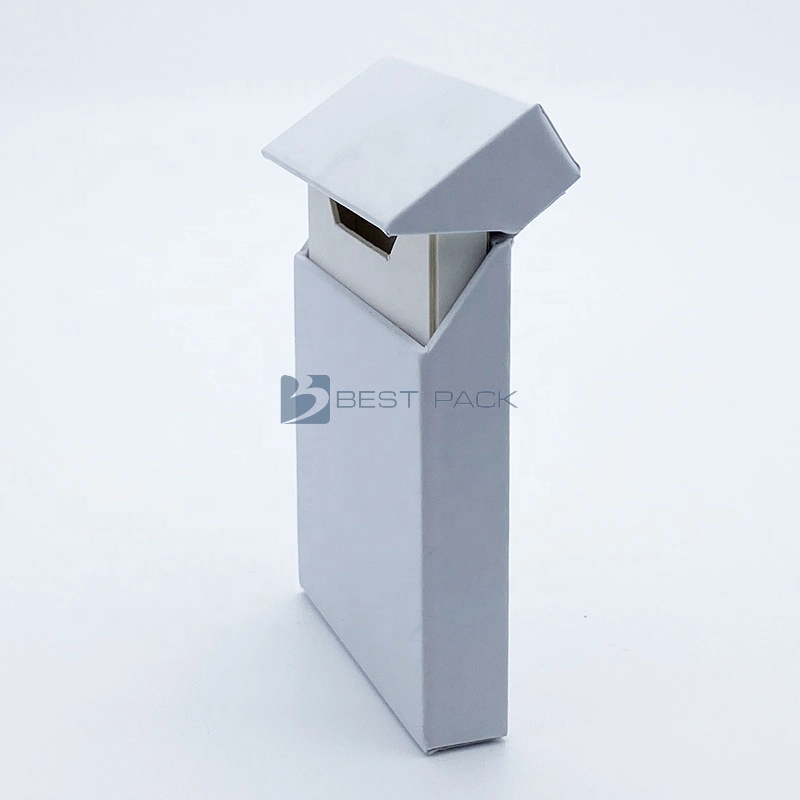

The CR telescoping box is a sophisticated and secure packaging solution designed specifically for vape products. Featuring a telescoping (two-piece) structure, this box offers excellent protection and an elegant presentation, enhancing both the unboxing experience and brand appeal.
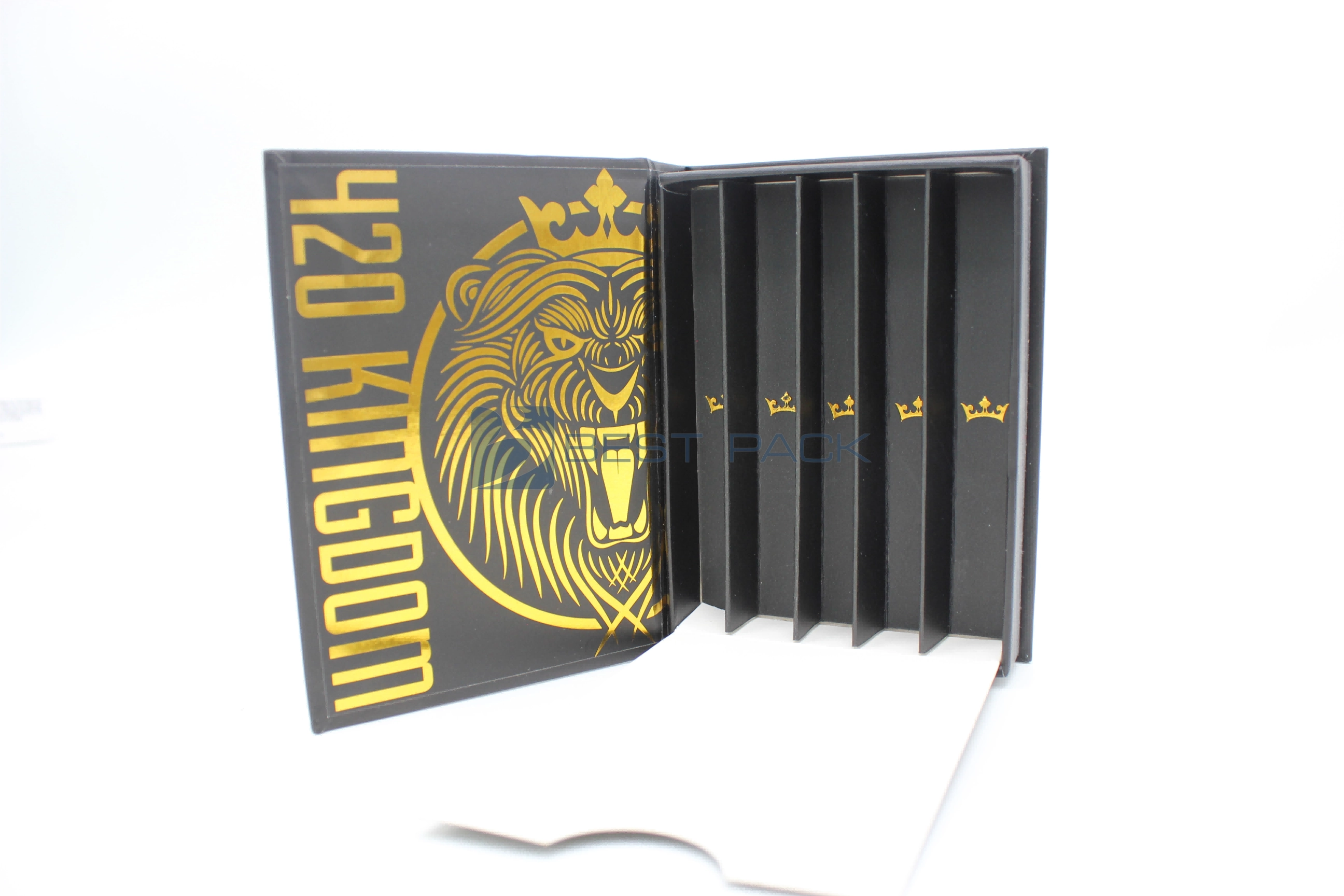

Our custom child-lock packaging for pre-roll 5-packs is purposefully engineered to combine premium design with certified safety. This packaging solution ensures that five pre-rolls are securely housed in a compact, stylish, and child-resistant format—ideal for compliant cannabis brands that value both form and function.
Get in Touch with Best Pack
We’re here to help bring your ideas to life!
Creativity Meets Precision in Packaging.

Email: Teresa@gzbestpack.com
WhatsApp: +86 132 2665 7571
Best pack
Best pack
Best pack